

.avif)

What Is Punchh: The Ultimate Guide
Guests in a restaurant's loyalty program are measurably its best. Research firm Circana found that restaurant loyalty members make 22% more visits a year than non-members, and frequent the brands they are enrolled in at twice the rate.
That makes the platform running the program one of the highest-stakes technology decisions a restaurant marketing team makes.
Get it wrong, and you spend the next several years locked into rigid technology, thin guest data, and a program that runs on discounts without proving it brought anyone back.
Punchh comes up in many of those evaluations. It powers programs at some of the largest chains in North America, and it now sits inside a much broader suite from its parent company, under a new name. Most of what is written about it comes from the vendor or from roundups that never get past a feature list, so it is hard to tell what the platform does and who it fits.
This guide clears that up. Below you will find what Punchh is, where it came from, who it serves, what it includes, how its loyalty engine and app work, and what to weigh before you sign.

What Is Punchh?
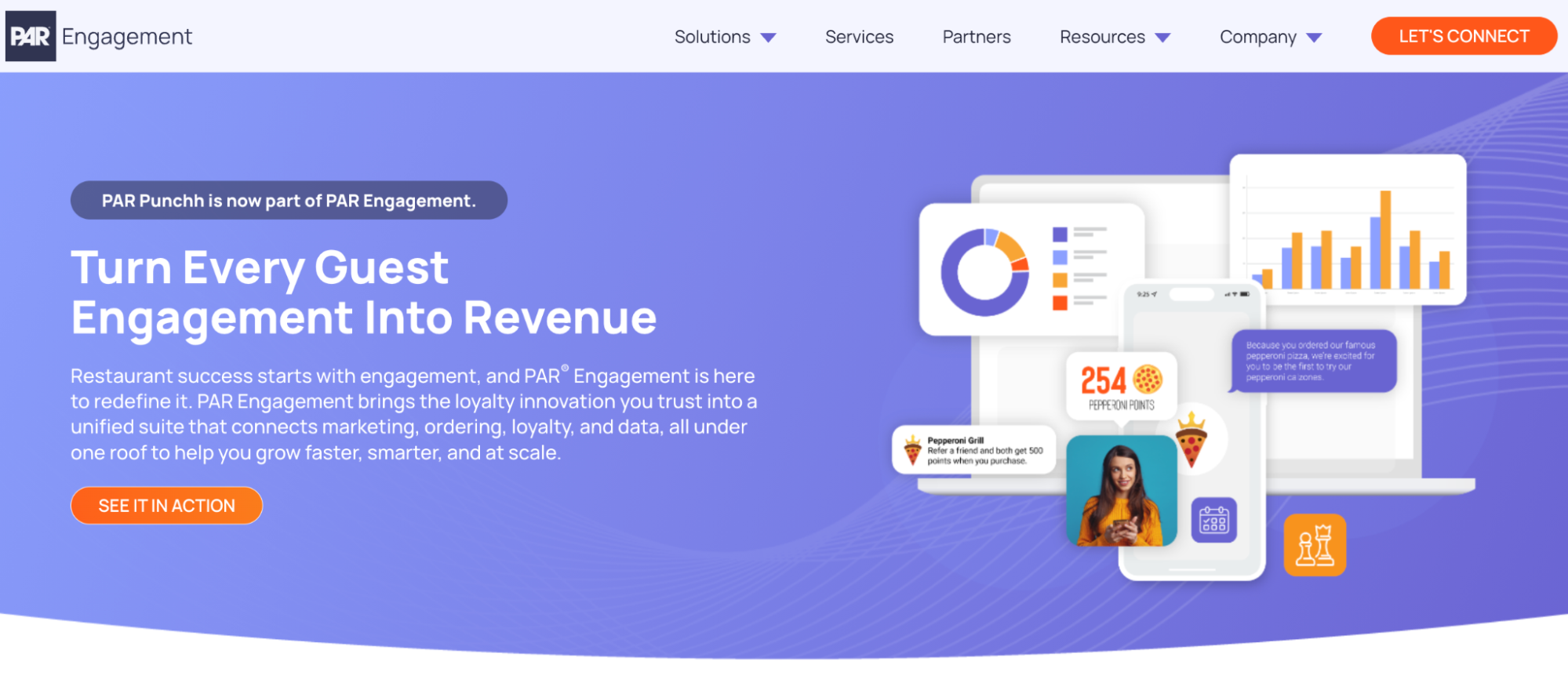
Punchh is a loyalty, offers, and guest engagement platform for restaurants, convenience stores, grocery, and retail brands. PAR Technology acquired Punchh in 2021 and now sells it inside PAR Engagement, the suite that also carries PAR's ordering and payments products. Both names refer to the same platform.
For multi-location brands, Punchh provides the infrastructure to run a loyalty program, manage how guests earn and redeem rewards, and deliver personalized offers based on purchase history and behavior. Marketers can also manage campaigns across email, SMS, app, web, and digital wallets and track their performance from the platform.
Who Is Punchh For?
Punchh is built for large, multi-location brands, and the fit is strongest where a dedicated team runs loyalty across high program volume:
- Enterprise restaurant chains. The platform's core segment, spanning QSR, fast casual, and casual dining brands running programs across hundreds or thousands of sites.
- Convenience stores. High-frequency, high-transaction operators where loyalty lives or dies on visit frequency and fuel-plus-store baskets.
- Grocery and retail. Multi-location chains that need to unify purchase data and offers across a large SKU catalog.
- Brands with an in-house loyalty team. The buyer is almost always a marketing or digital team, since program design, segmentation, and campaign calendars all assume someone owns loyalty as a job.
- Teams that want managed services. Brands that want enterprise capability without adding headcount can lean on PAR's strategy and managed services team.
Key Features
PAR presents Punchh's capabilities as six modules inside PAR Engagement:
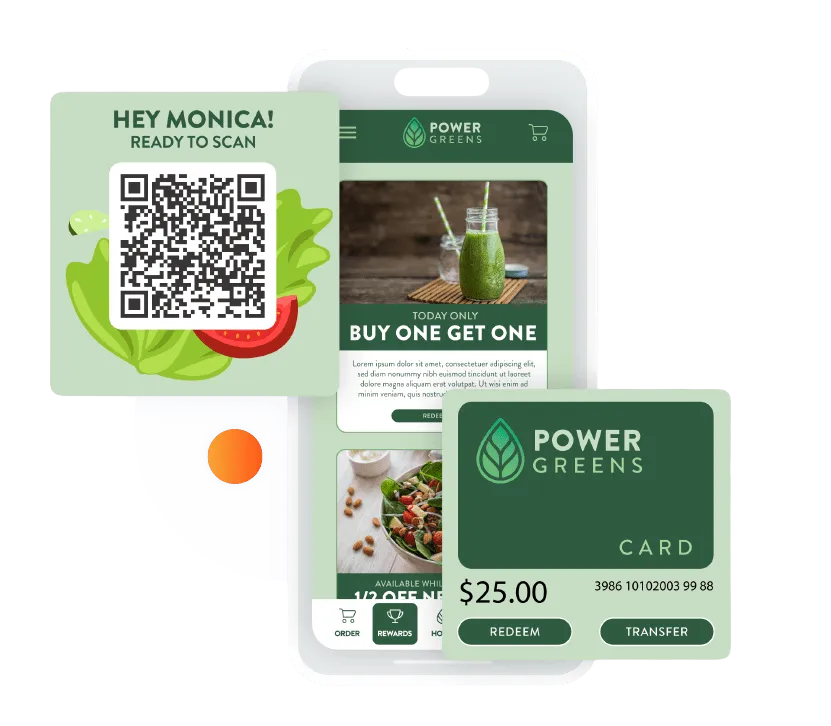
- Punchh Loyalty: The core rewards engine. Configurable program types, rules, tiers, and reward catalogs, plus Loyalty Pay, which ties loyalty to checkout with QR and short codes, digital stored value in place of physical gift cards, and subscription memberships. (Punchh Wallet was retired and folded into Loyalty Pay.) Ask in a demo which changes a marketer can publish alone, because the documentation gates several behind an app release.
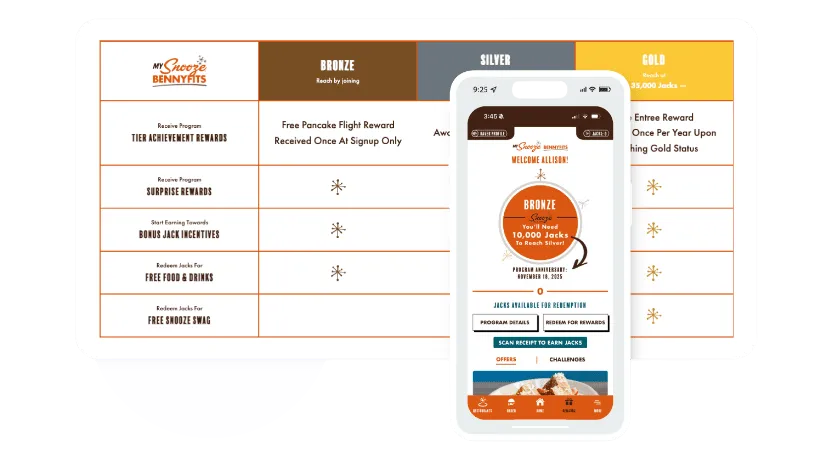
- Marketing & Offers: Marketers can deliver personalized rewards and offers across email, SMS, QR codes, app, web, and Apple and Google Wallet. The platform includes a self-serve segment builder and 11 prebuilt RFM segments for groups such as new and at-risk members. Other tools include send-time optimization, throttling, spend thresholds, and SKU-level redemption limits. Split testing is available for one-time sends, but each test must include a redeemable offer and cannot run alongside send-time optimization.
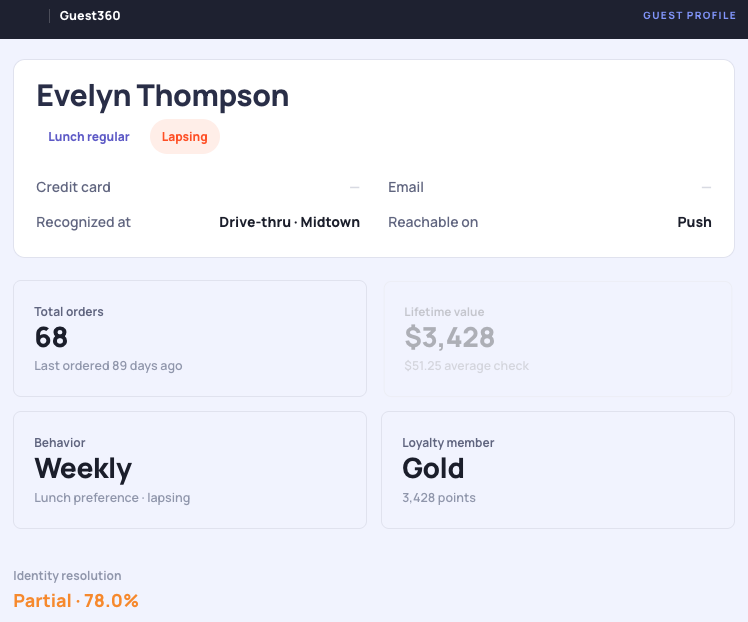
- Guest Data (Guest360): PAR's customer data platform, resolving POS, ordering, and payment signals into one guest record, including for guests who never enrolled, and feeding those segments back into targeting. PAR's documentation calls it an early access program rather than generally available, and the strongest in-store matching depends on running PAR's own payment processing, so check both before you count on it.
- Digital Experience: White-labeled app experiences that carry the brand rather than Punchh, covering enrollment, points, rewards, and offers.
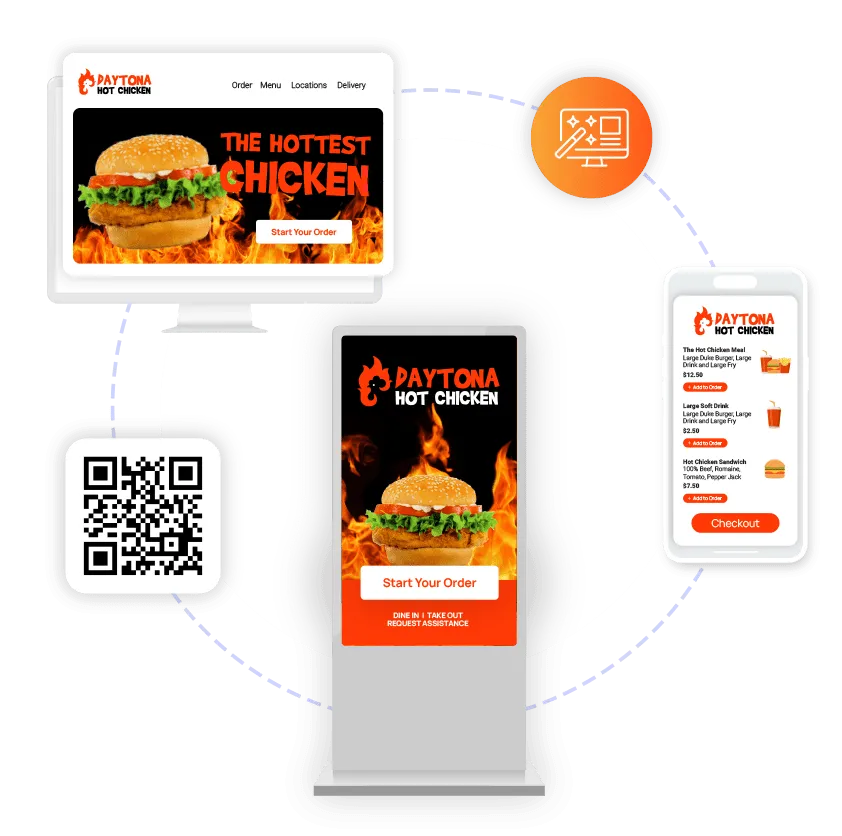
- Ordering: PAR Ordering, the suite's own ordering product, covering web, mobile, kiosk, catering, and third-party marketplaces, with real-time POS menu sync, and built-in conversion tools like upsells and preordering. You can stay on the ordering provider you already use, but some Punchh features work differently depending on which one, so check yours early.
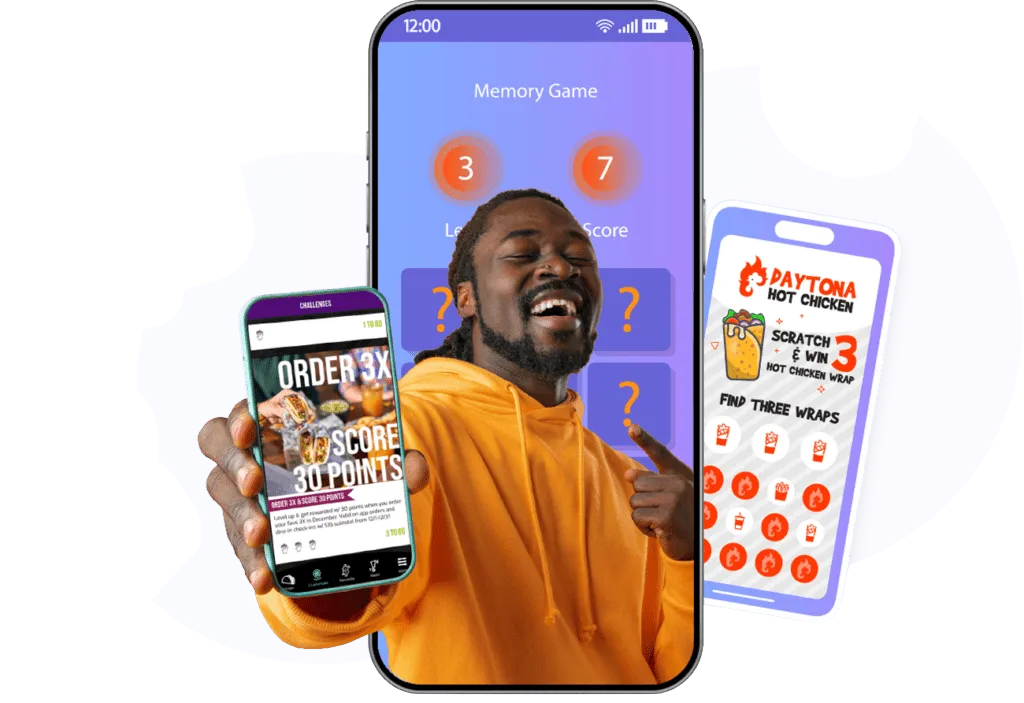
- Accelerate Add-Ons: Separately priced modules add capabilities such as behavior-based challenges, games, and AI-driven recommendations. Restaurants adding challenges to an existing program should also account for the app update required to launch them.
- Integrations: Connections to the major POS, ordering, and marketing systems, plus open APIs and a developer portal. Depth varies by vendor, so confirm your own stack early.
Punchh does not publish pricing. Deals are quoted per brand based on scope and location count, and there is no free tier. For a fuller look at total cost, see our breakdown of Punchh pricing.
Key Differentiators
Punchh's case rests on three arguments, each about scale and consolidation rather than any single feature:
- A long track record at enterprise scale: In restaurant loyalty since 2010, Punchh powers programs for more than 89,000 locations and, by PAR's own count, 34 of the top 100 leading restaurant brands.
- One vendor for more of the stack: Because PAR also sells POS, ordering, payments, and back-office software, brands can consolidate several vendors with one provider and pull loyalty, ordering, and guest data into a single contract, with AI-driven segmentation and offer targeting marketed across it. Ask what is live on your contract, because their in-product AI assistant was still going out to a limited group of brands as of mid-2026.
- Breadth as the tradeoff: Brands see the most from Punchh when they adopt more of the PAR suite, so teams that want a focused loyalty and marketing platform sometimes weigh alternatives.
Punchh Loyalty Platform
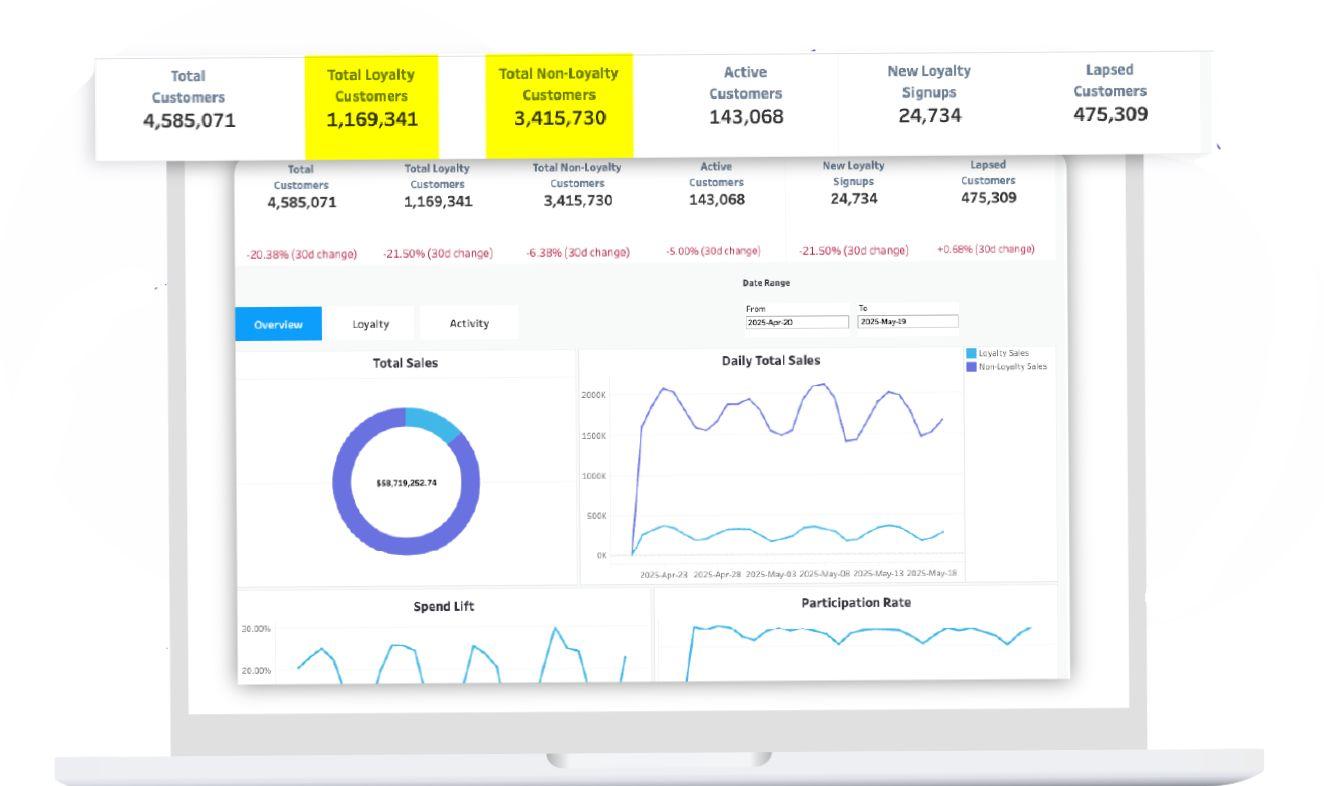
The loyalty engine is flexible about how guests earn. Brands can run visit-based programs, points that unlock specific rewards, points redeemed once a threshold is hit, or banked currency that accumulates as spendable value.
On top of that base, brands can layer loyalty tiers, referrals, memberships, social cause tie-ins, subscription passes, and gamified challenges, though many of these are paid modules.
Every check-in, order, and redemption flows into the guest profile, and those profiles drive the segments behind the offers engine, so a lapsed guest can be targeted automatically.
Reporting then ties participation back to retention, visit frequency, and sales impact rather than member counts alone. PAR sells loyalty strategist support through its strategy and managed services team. Ask what that costs and what you get without it, because some vendors bundle ongoing strategy help with the platform, while others bill it as a service.
The Punchh App
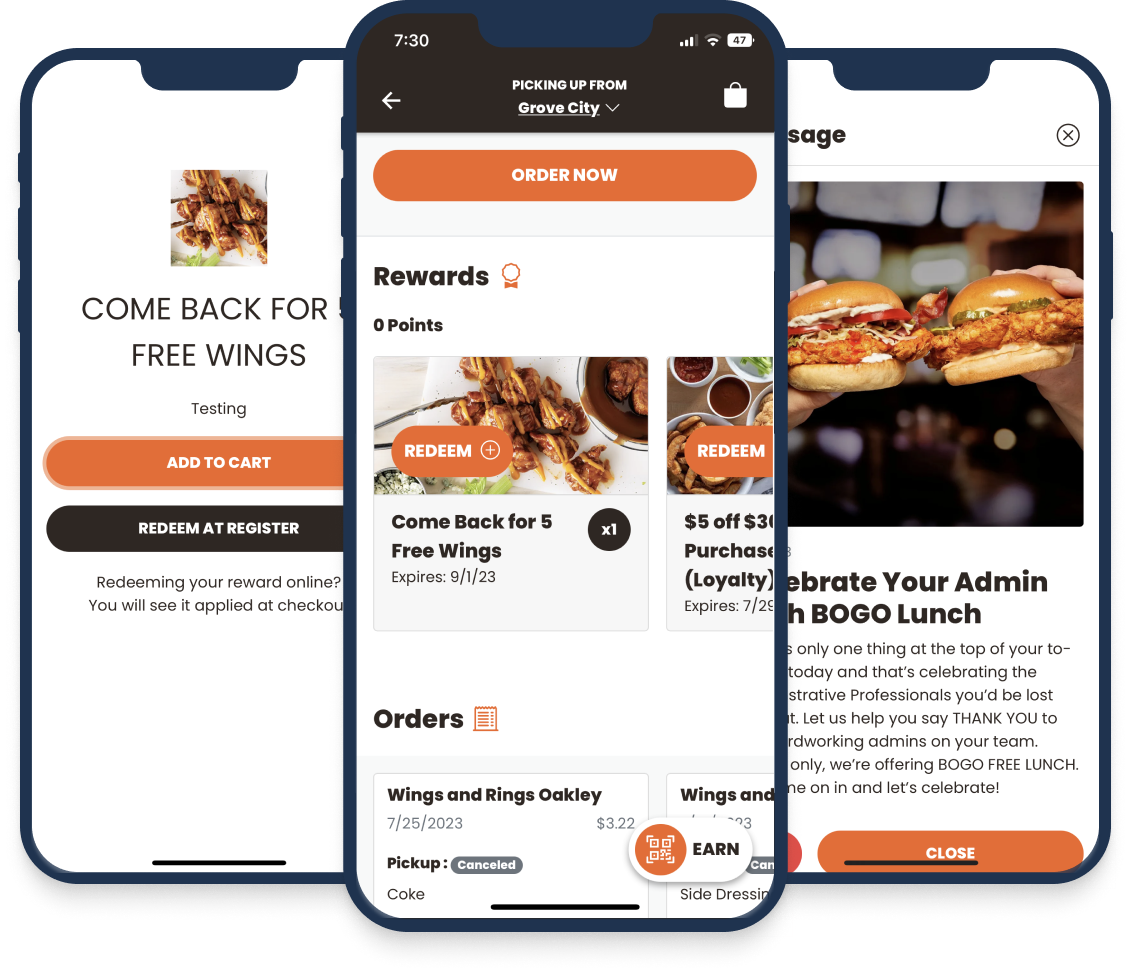
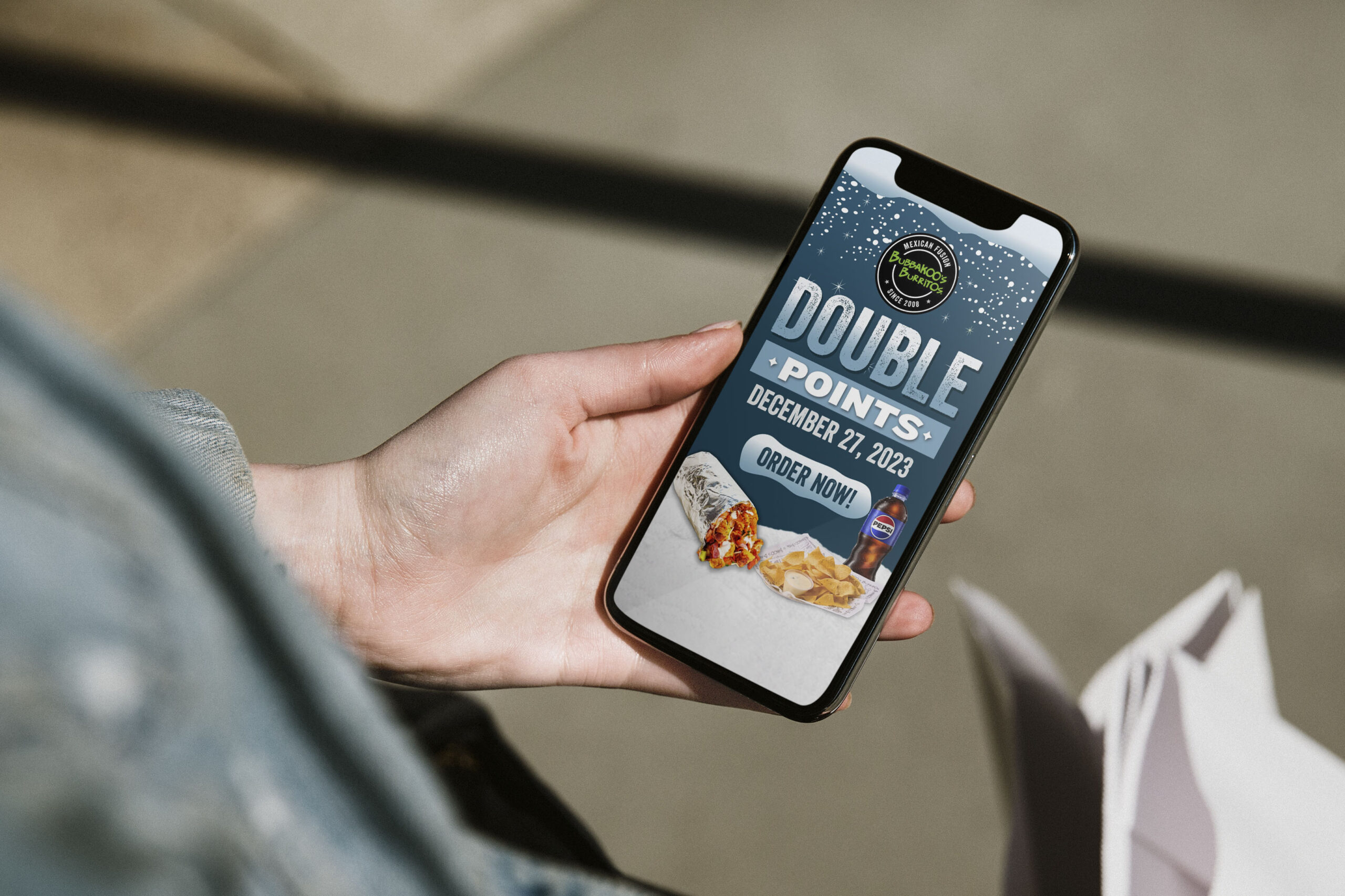
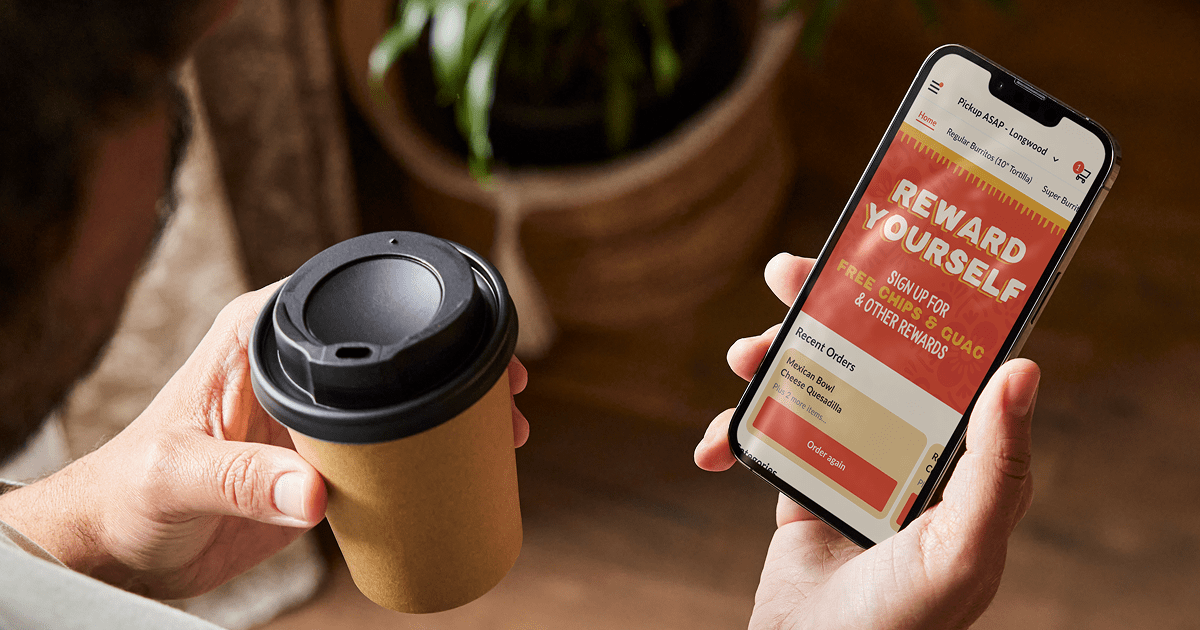
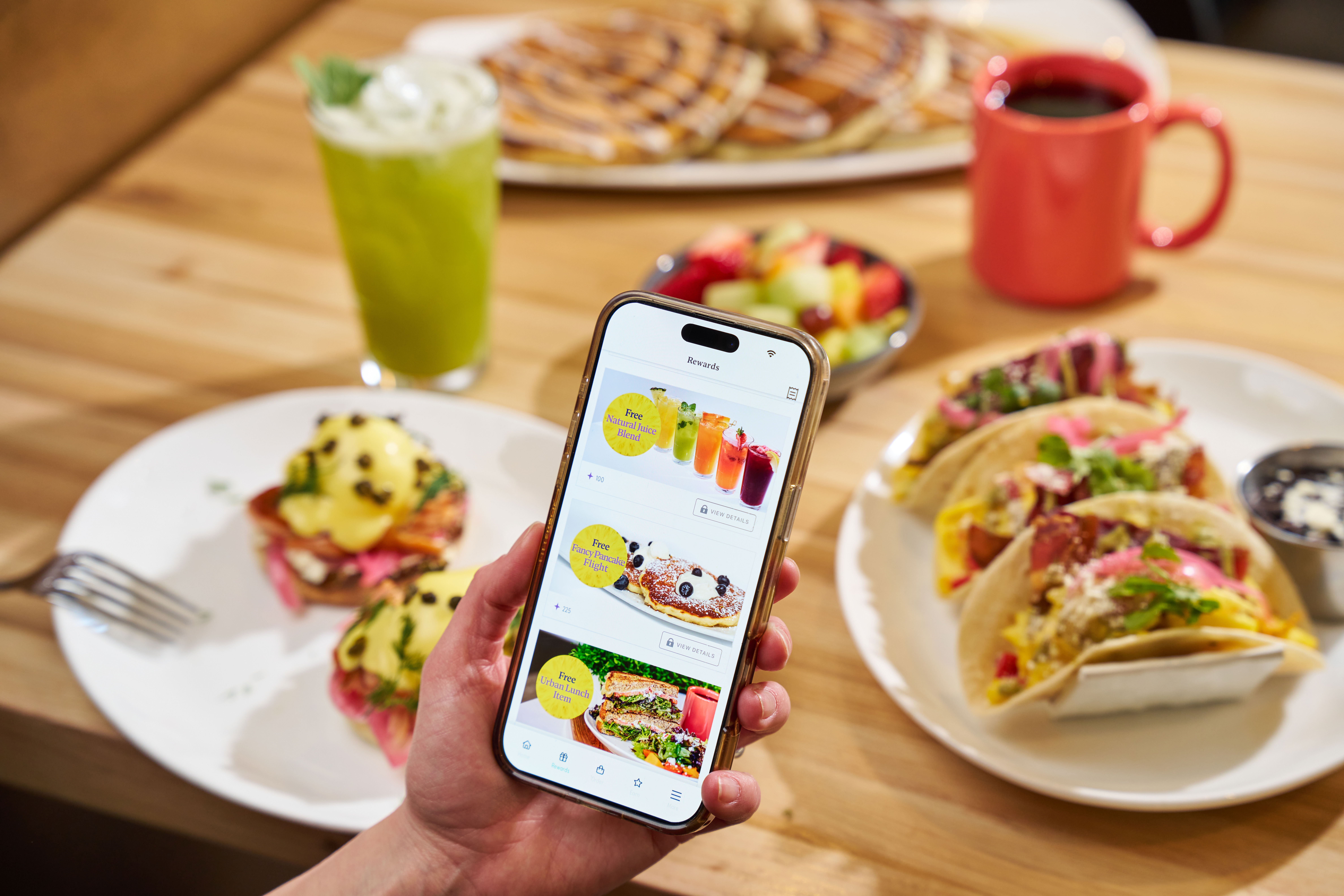
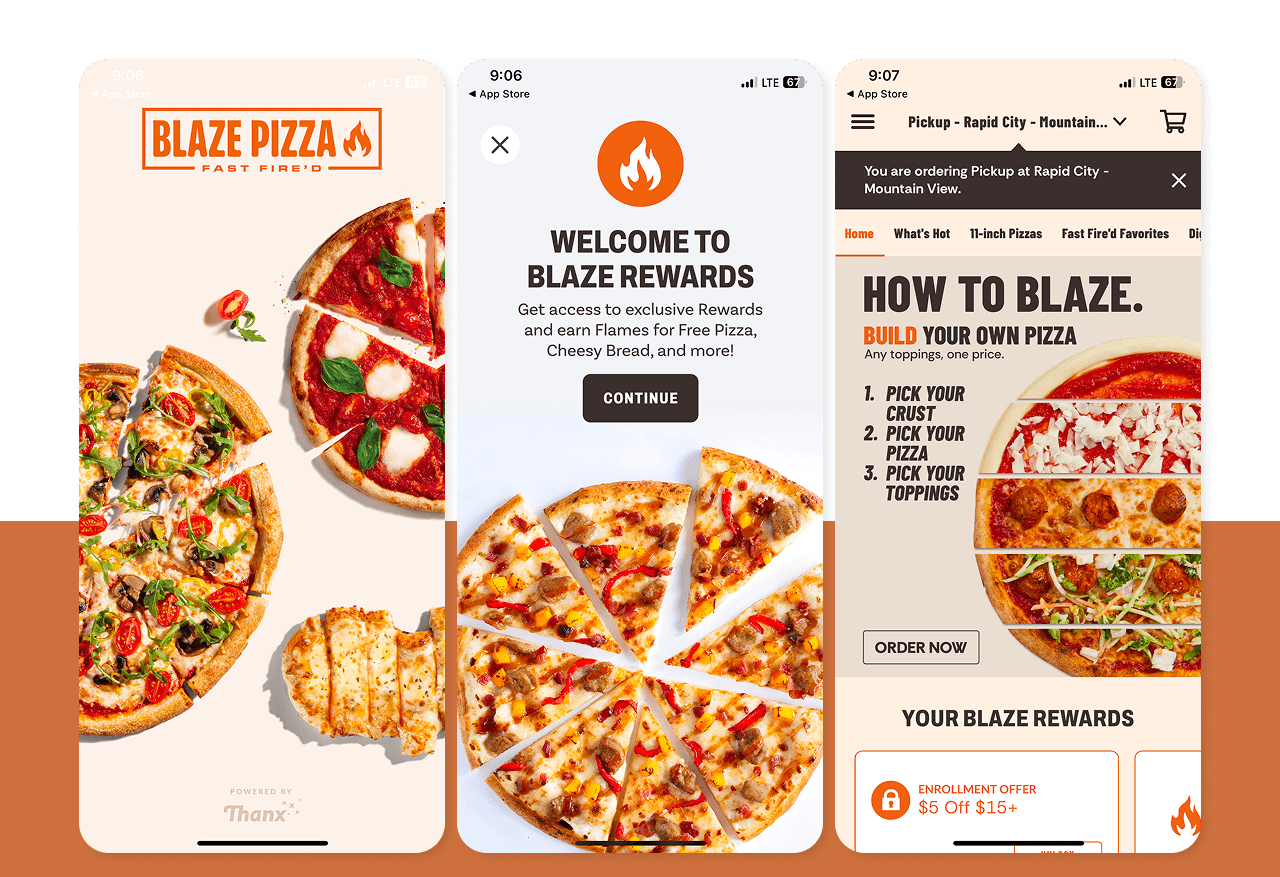
Despite the name, guests never download a “Punchh app.” Punchh powers branded app experiences and runs the loyalty layer inside the restaurant's own app.
Inside that app, guests create an account, earn points on qualifying in-store and online purchases, browse the brand's rewards catalog, and redeem when they hit the required balance.
Depending on configuration, they can also buy digital gift cards, load stored value, refer friends for bonus points, and receive offers tied to their orders. Salsarita's and Church's Texas Chicken both run Punchh-powered programs like this.
Punchh has also pushed loyalty beyond the app. Smart Passes, launched in late 2025, turn Apple and Google Wallet into an app-free loyalty channel with one-tap enrollment and real-time points and offers, which helps brands reach guests who will never install anything. It is a paid add-on, not part of the base platform.
Why Restaurants Choose Thanx
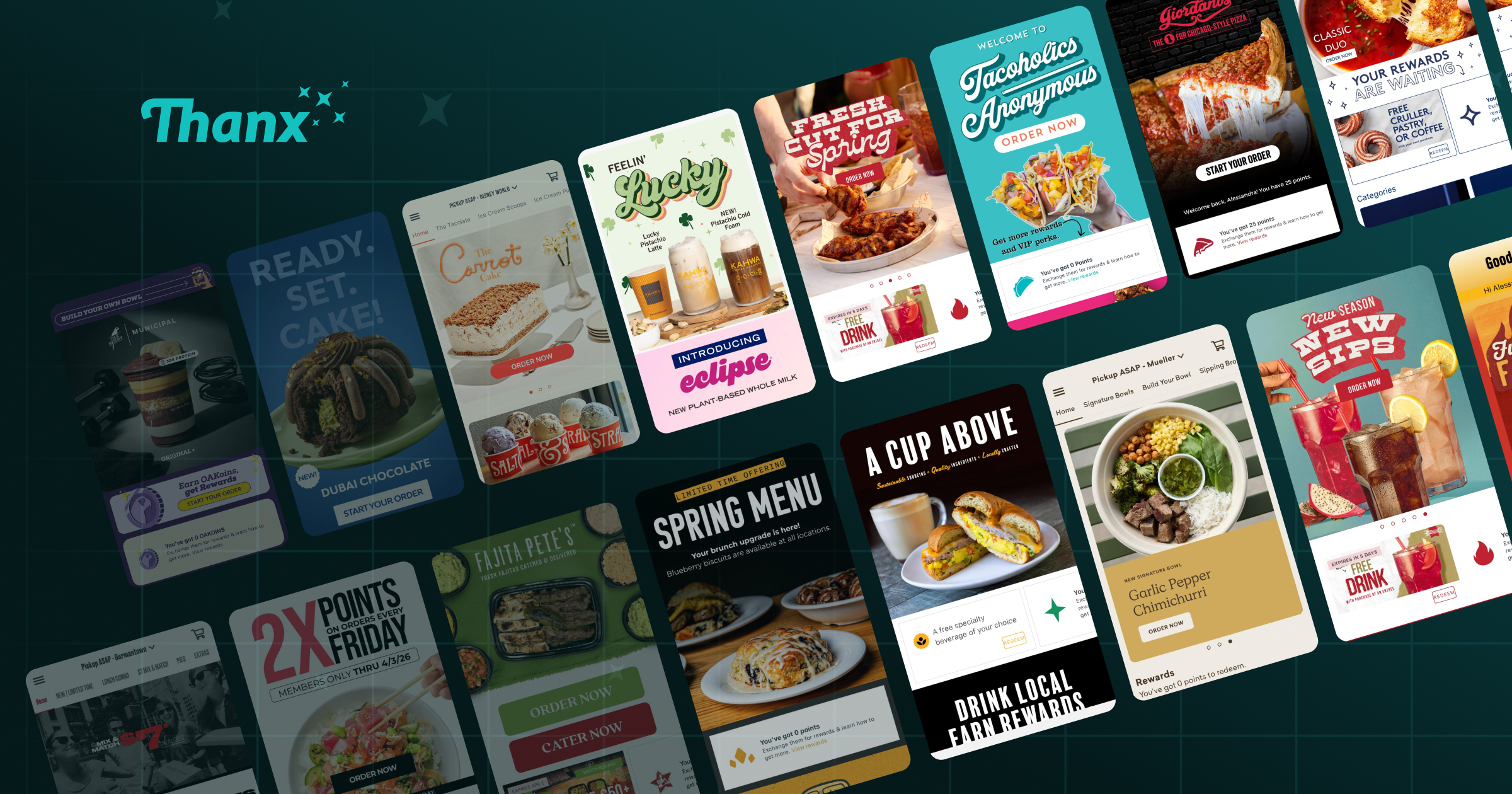
If you are weighing your options, here is what a modern alternative looks like. Thanx meets the same enterprise bar, including SOC 2 Type 2, PCI, and CCPA compliance; role-based permissions that scope a user to the locations they actually manage; and connections to the POS and ordering systems large brands already run.
The difference comes after launch. Brands usually leave a loyalty platform for one of two reasons. First, they cannot show what the program returned, so the spend gets questioned every budget cycle. The second is that every change takes months and costs money, so the program stops evolving. Thanx was built to answer both.
Brands choose Thanx for:
- One price, everything included. The same enterprise capability costs less to run, because pricing is per location and covers the platform, app updates, and every improvement we ship. There are no separate modules to buy, no per-update app fees, and no charge to move your own data into your warehouse, so the number you sign is the number you pay.
- An app your team changes itself. A no-code CMS handles navigation, homepage layout, carousels, and content blocks, published in minutes with no developers and no change fees. Content blocks can be targeted by segment, so a seasonal LTO reaches the guests it is meant for.
- Campaigns you can prove. A/B testing and control groups are part of campaign setup rather than a project, and they run on automations as well as one-time sends. Reporting shows purchasers, spend, campaign cost, and ROAS by variant. SegmentAI builds an audience from a plain-English description rather than a stack of rules set one at a time.
- More guests in the program. Enrollment is automatic in first-party ordering, so joining does not depend on a guest downloading an app or working through a long signup form. Brands also choose how guests join and earn, either by checking in at the register with no card to register, or through card-linked enrollment where capture happens automatically with nothing for the guest to do. Brands moving off legacy platforms see 265% more sign-ups per location and 223% higher revenue capture.
- Rewards that protect margin. Non-discount options like secret menus, bonus points, and modifier rewards hold the effective discount rate at 2.4%, against an industry benchmark of roughly 10%.
- Fast, low-lift implementation. Launches average around 90 days, with no hardware and an app rollover, so guests don't download anything new.
Ready to see what that looks like for your brand? Request a demo.

.png)




.avif)
.avif)