


.avif)

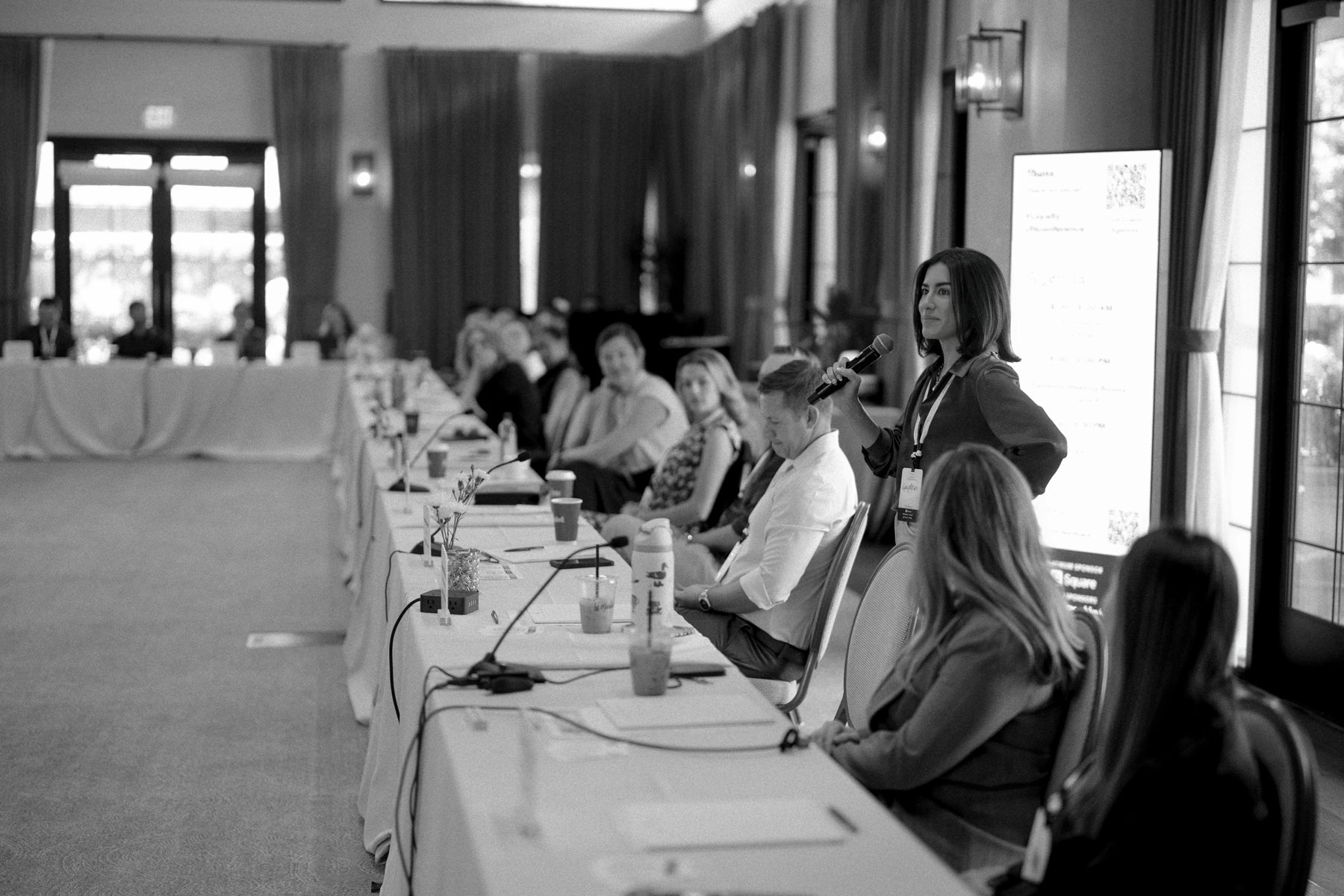
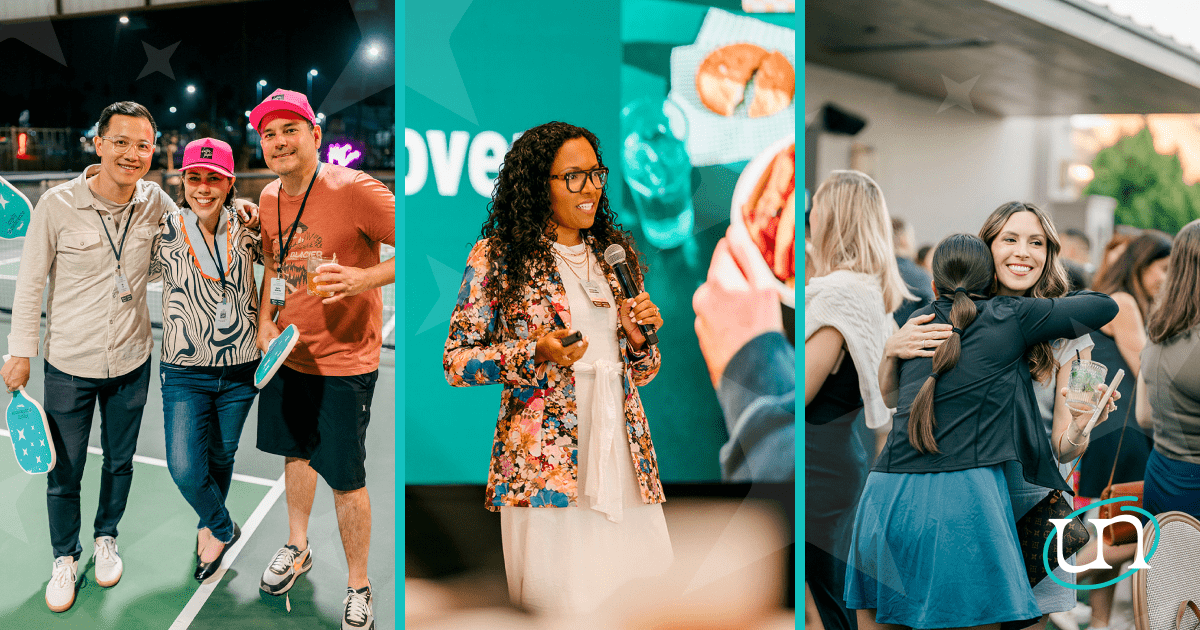
On April 22, around 45 restaurant operators, marketers, and technology leaders gathered in Phoenix for the second annual Thanx Loyalty UNconference. The format was intentional. No panels of experts talking at the audience, no exhibit hall, no breakout tracks designed to be skimmed on a conference app.
Instead: one room, a deliberately small group of operators seated around the table, and an open invitation to be honest with each other about what is and isn't working in their loyalty programs. Brands ranged from 10 to 300+ units, QSR to fine dining, coffee and ice cream to Hawaiian plate lunches and breakfast burritos. How useful the day turned out to be depended entirely on whether attendees would go into the messy parts of their work. They did.
Here is what stuck with us.
The industry is not growing on traffic
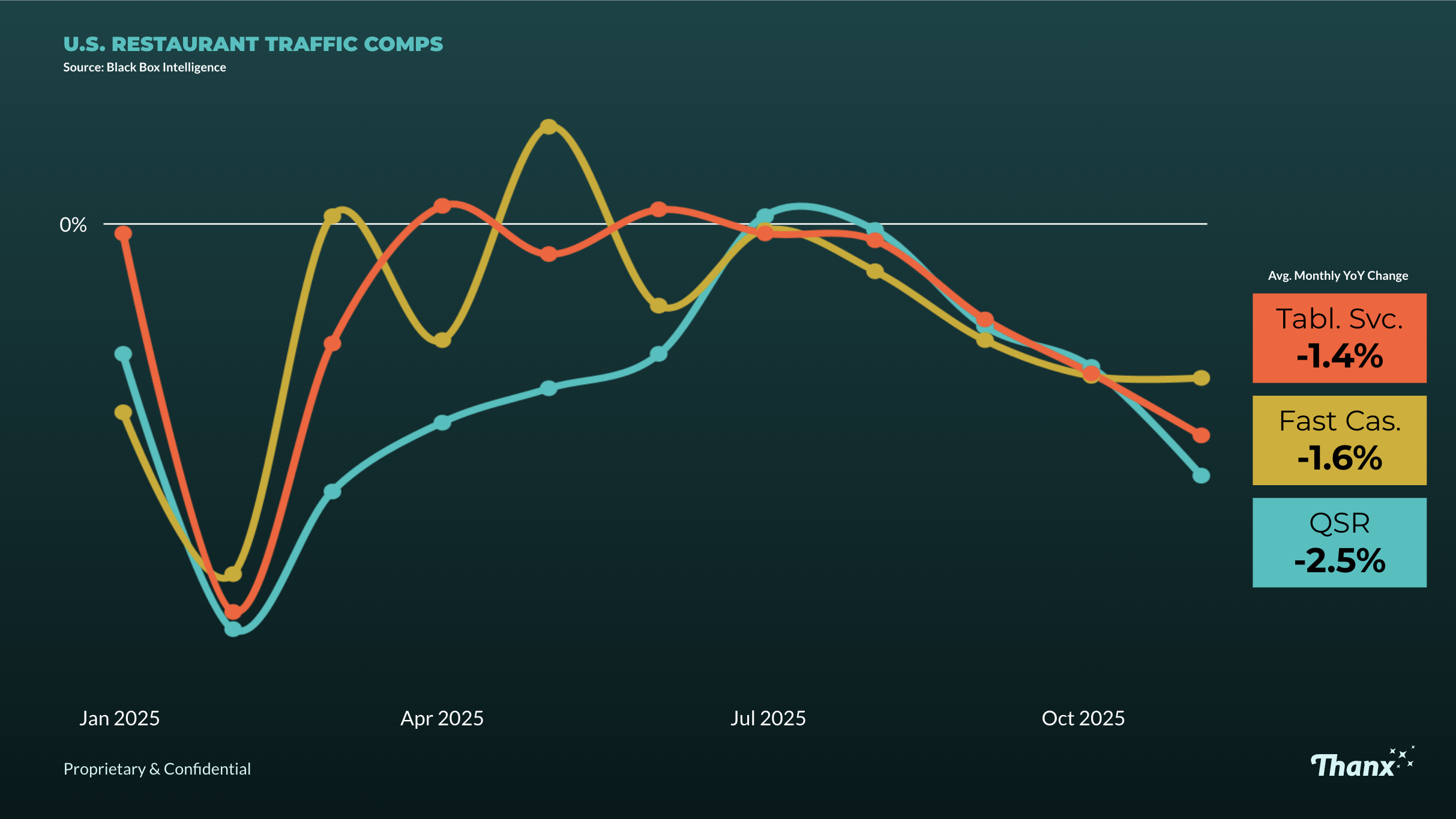
CEO Zach Goldstein opened with a fact that has been hovering over most loyalty conversations in 2026. Restaurant industry revenue keeps climbing, $1.5 trillion last year, but the growth is coming almost entirely from third-party delivery, new store openings, and price increases. Traffic is flat or down across most categories.
Meanwhile, third-party booking platforms continue outpacing the rest of the industry. If you draw those lines forward, the trajectory is uncomfortable for any operator who cares about long-term margin control.
That context reset the day. Every conversation after it kept circling back to the same question: how do operators reclaim the guest relationship before it permanently belongs to someone else?
Stop measuring loyalty by how many people are in it
Zach's sharpest challenge to the room: if your loyalty program scorecard is enrollment count and average spend of members vs. non-members, you are tracking vanity metrics that only ever go up, even when the underlying business is going down.
He proposed a different scorecard built around five metrics that can actually move:
- Capture rate: what percentage of revenue comes from a guest you can identify and reach
- First-party digital ratio: is your direct channel growing faster than third-party
- Activation rate: what percentage of first-time guests reach a third purchase
- Retention rate: of activated guests, how many return within six months
- Effective discount rate: is your reach and lift coming at a sustainable cost
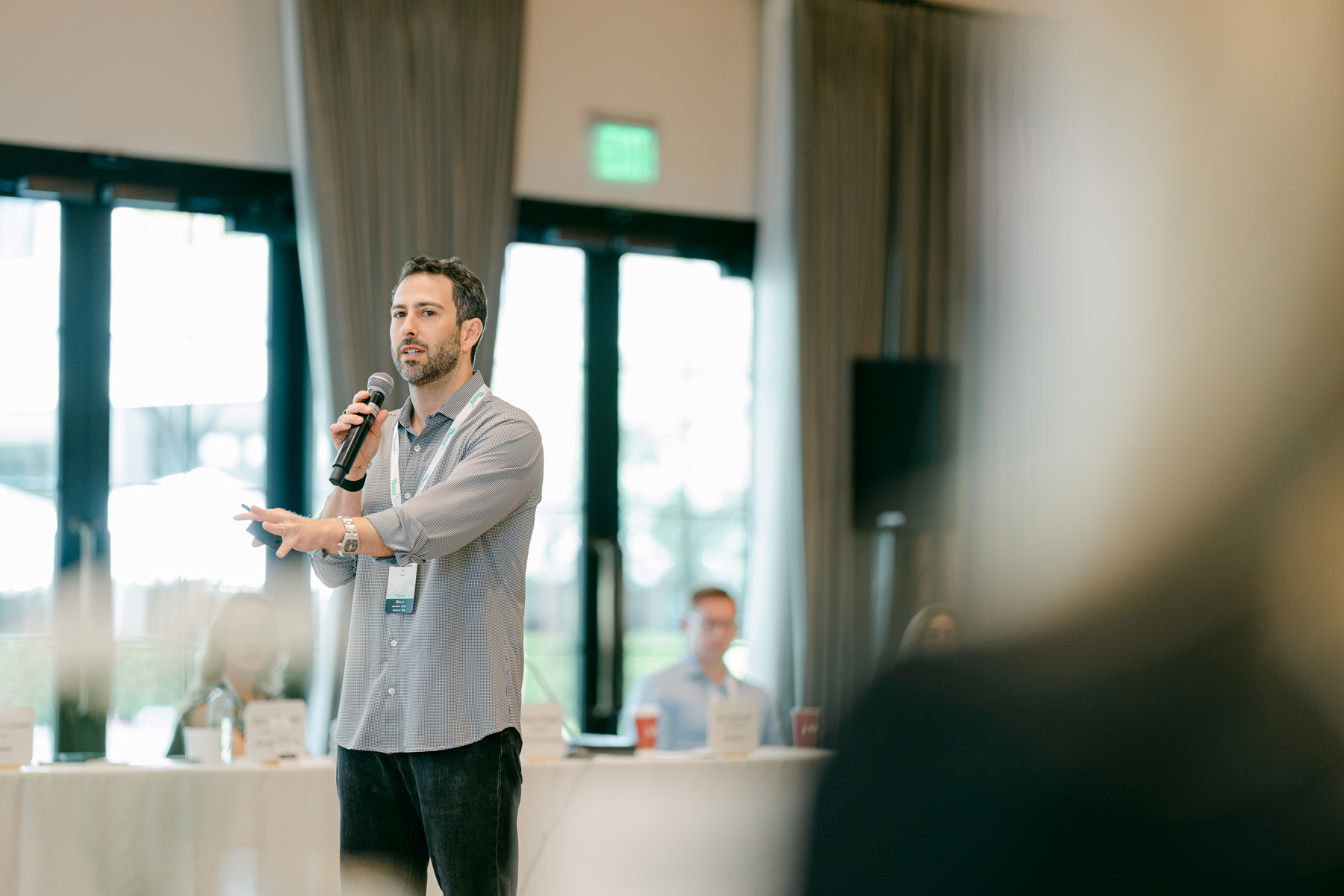
These metrics share one important property: they can all go down. That makes them honest, and the kind of numbers an operations leader, CFO, or franchisee will actually engage with. A 5-point move in activation rate, per Thanx data, drives 3-4% same-store sales growth, a metric every part of the organization already cares about.
When the room was polled on who was still anchoring their program in vanity metrics, a noticeable minority raised their hands. That's progress from last year's UNconference. But "metrics that matter" alignment is still the exception, not the rule.
Discounts aren't the only way to drive loyalty, or the best way
The session that got the most "I'm stealing this" reactions was a sequence of three operators showing what loyalty looks like beyond discounting.
Salt & Straw's Erika Borges walked through the brand's Access Pass model. When the team relaunched a reimagined Choco Taco in October, they gave loyalty members 24-hour early in-store access and seven-day early national shipping, at no discount. The result: 83% week-over-week lift in unique purchasers, 143% revenue lift, 56% pass redemption, and a 49% spike in member sign-ups across the campaign series. Scarcity and exclusivity moved the same numbers a deep discount would have, without the margin hit.
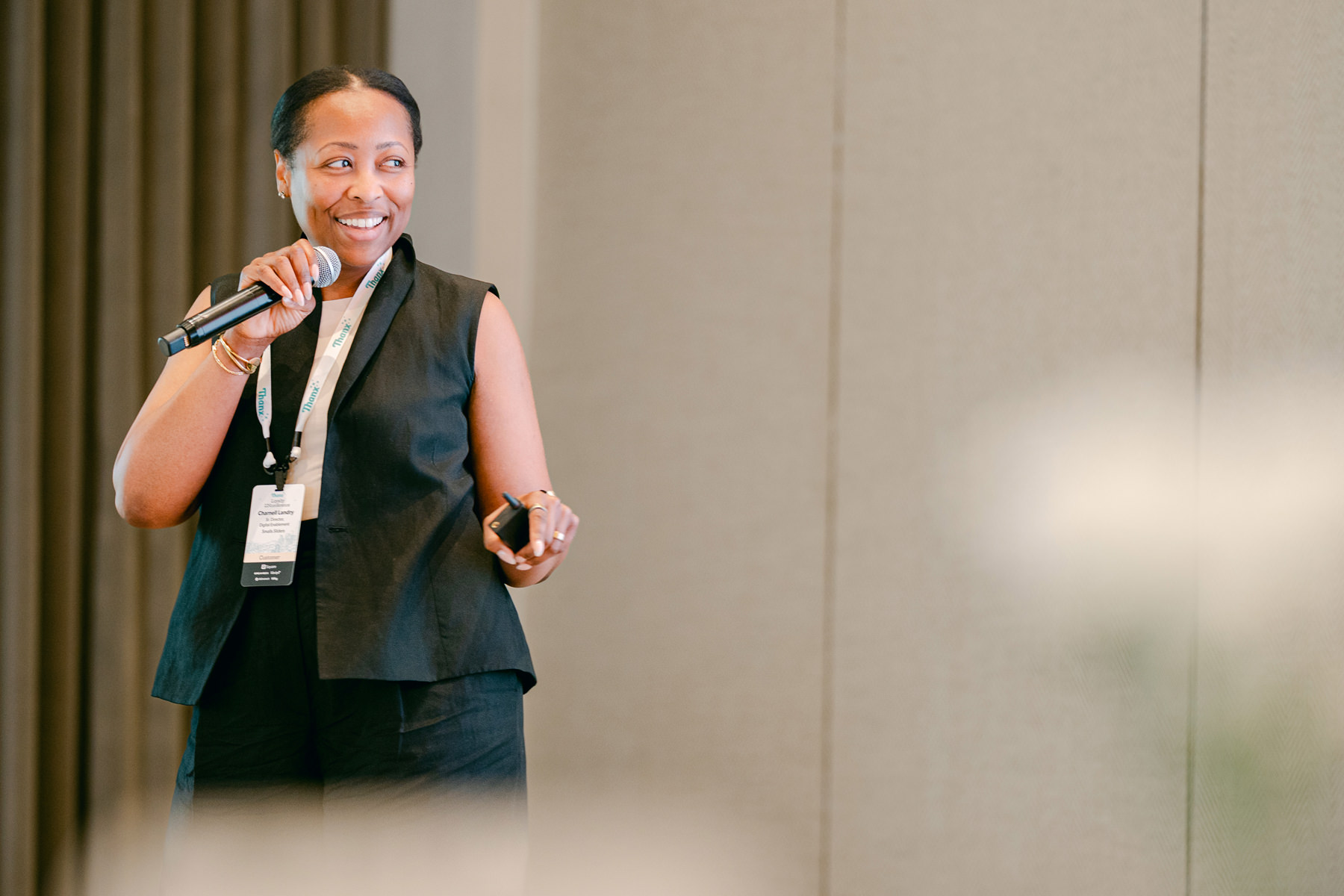
Smalls Sliders' Charnell Landry treated the Thanx platform as a behavior-testing lever rather than a loyalty tool. Ahead of a planned catering launch, her team ran a Super Bowl Party Pack campaign to test whether a 750-square-foot modular concept could shift guests from impulse buying to pre-scheduled, high-ticket orders. Average ticket landed at $108 against a $17 baseline. 77% of orders were pre-scheduled. Party-pack volume went from roughly 195 per week pre-campaign to 760 in the campaign week, then held at around 390 per week for the next three weeks. Every result was a leading indicator validating the catering rollout before committing to it.
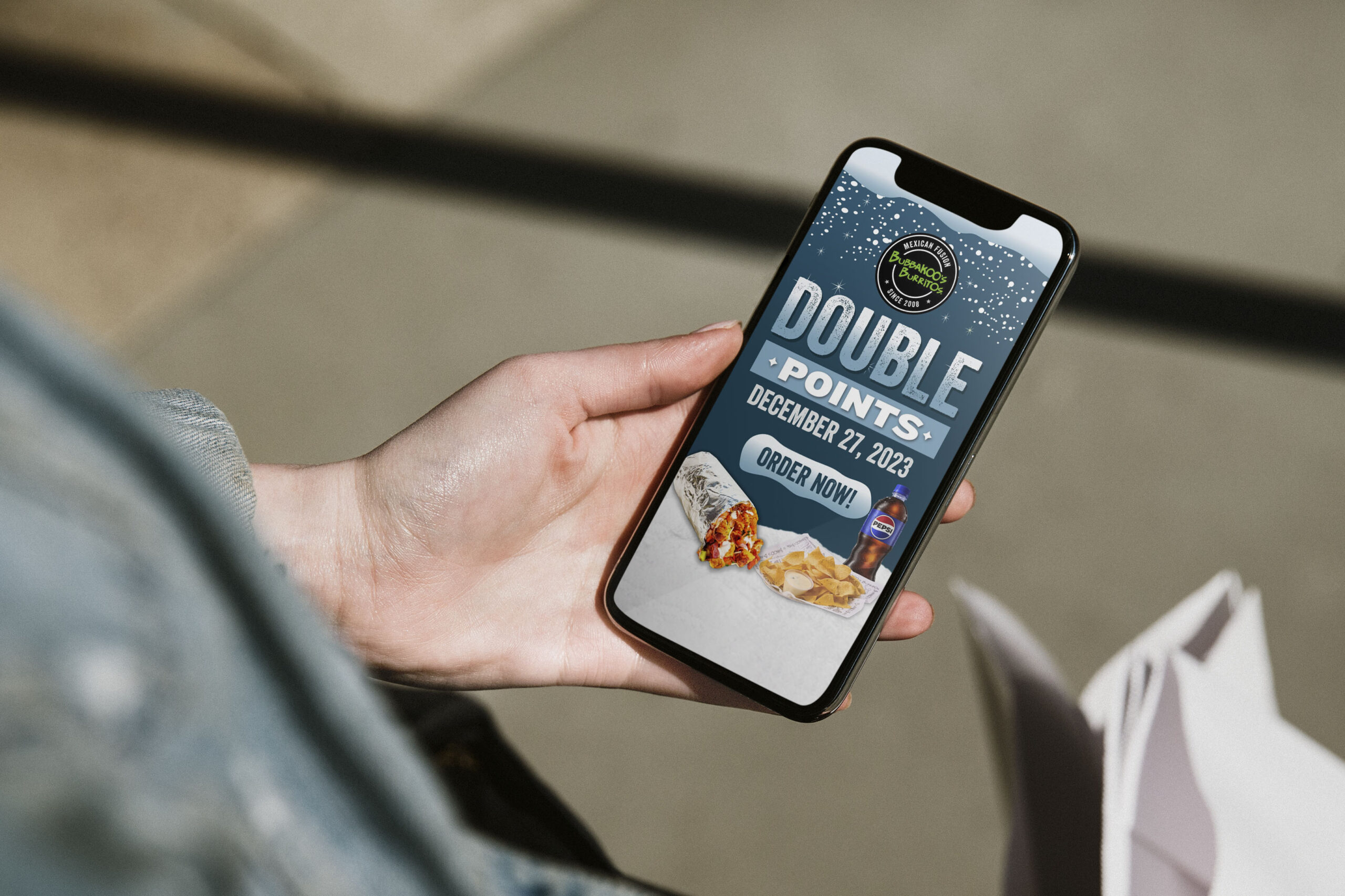
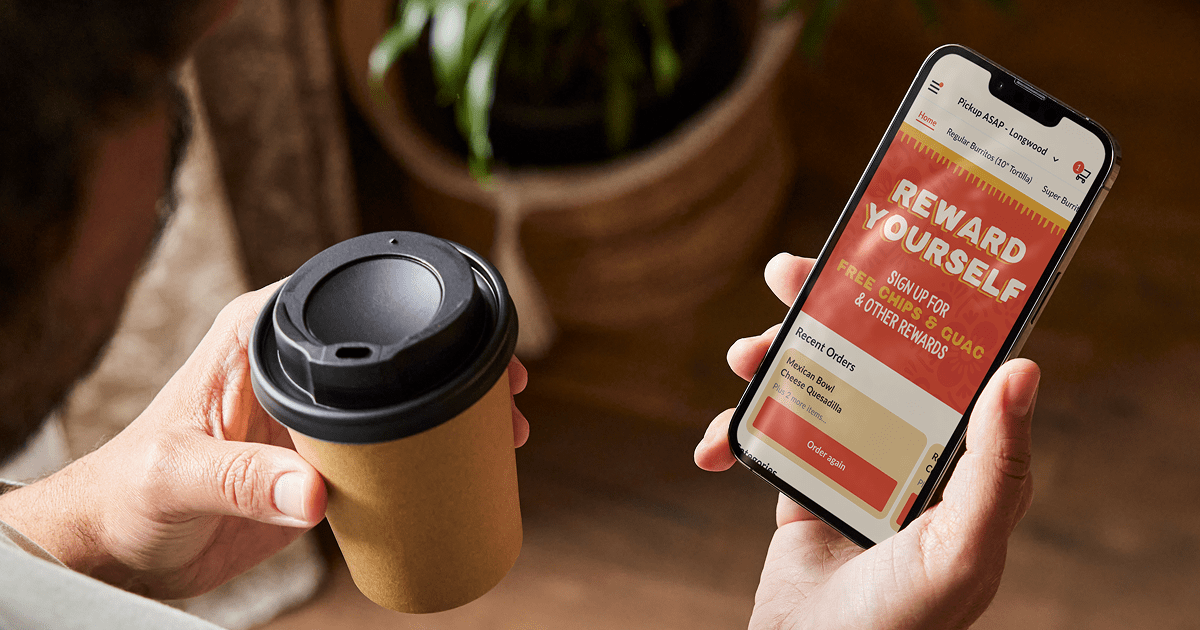
Bubbakoo's Alex Jano rebuilt the brand's loyalty foundation from scratch: tiers, a redesigned app, roughly 20 lifecycle automations targeting fourth-purchase activation, and POS check-in via Toast. Early data shows a 6% lift in first-purchase conversion, with full results still inside the testing window.
The thread across all three: work with what your brand actually is. Salt & Straw is a special-occasion brand, so exclusive access works. Smalls is a focused-menu speed concept, so simplicity and pre-scheduling pay off. Bubbakoo's competes in a category where BOGOs are expected, so the work is making them smarter and more targeted. There is no universal playbook. But there are universal principles, and one of them is that discounting is one tool, not the whole toolkit.
.jpg)
Loyalty fails when marketing owns it alone
The most repeated structural observation of the day: loyalty cannot succeed as a marketing-only initiative. The metrics that move guest lifetime value, activation, retention, frequency, are shaped by operations, finance, franchisees, and product. If those teams aren't aligned on what the program is supposed to accomplish, marketing is fighting uphill.
Mo' Bettah's CEO Rob Ertmann showed what alignment looks like from the top. He pairs every quarterly BOGO with a "Peak to Peak" operations initiative on the same day, using the traffic surge as a live training environment for throughput planning. He works the shifts himself on promotion days. The result: operators see the marketing team as an ally driving traffic into throughput improvements they've been training for, not a department killing their margins with discounts.
Cheba Hut's Adam Porter took a different approach. HQ covered the entire food cost of a five-week Munchie Mania campaign to get past franchisee resistance and generate clean data. Early results show a 41% increase in unique loyalty guests, a 52% increase in loyalty transactions, and a 2% drop in third-party share absorbed by direct channels. Those numbers are now the HQ team's best asset going into the next loyalty strategy conversation with franchisees.
One CEO added a lever from the floor: his organization spent 12-16 months earning operational buy-in and then wrote activation into the operations bonus structure. What gets measured creates alignment. Everything else follows from there.
.jpeg)
AI is no longer optional
CDO Aaron Newton's afternoon session started with an honest admission: this is the topic he is most genuinely worried about. The gap between AI-fluent organizations and AI-resistant ones is widening, and it is becoming self-reinforcing. AI-first companies attract AI-first talent, which makes those companies more capable. The companies that don't make the shift will find it harder to catch up over time, both in productivity and in hiring.
Aaron's prescription was practical. Six structural moves to get an organization moving:
- A standing all-hands slot for AI show-and-tell
- Side channels for peer sharing and help desk support
- Explicit policies that encourage spending on AI tools, treat it as tuition
- Clear guardrails on data egress
- Turnkey access to internal data systems
- Manager-set expectations that everyone spend real time on this
The room had its own examples. One CMO described a company-wide mandate, driven by headcount constraints, where an internal agent surveys each employee's daily tasks and routes them to Copilot, Claude, or ChatGPT, with required governance training attached. Dan Bejmak, CEO of Thanx partner Dreambox, shared that the company now measures AI proficiency as a KPI in performance reviews. One operator said "tell me what you've been doing the last few months" has become her most useful interview question. It filters out non-AI-fluent candidates immediately.
If you're a leader who feels behind, the room's honest answer is: you probably are, and so is nearly everyone else. The question is whether you build the habit of catching up.
Third-party delivery is renegotiable
The most charged conversation of the day was about third-party delivery, and the consensus was more aggressive than anything most operators would say in a vendor meeting.
Several brands shared a similar experience: cutting Uber Eats marketing spend produced little to no decline in Uber Eats sales. Same result with DoorDash. The argument: if you pull paid amplification from a third-party platform and your sales hold, you weren't buying guests. You were paying a tax on guests who would have found you anyway.
Operators in the room reported that DoorDash opened contract negotiations at 12x marketing spend and walked down to 2x under pressure. They reported being misclassified into the wrong vertical and having to push for reallocation. Leaders at these platforms have openly acknowledged throttling organic listings based on marketing-spend commitments. And committed marketing minimums signed before platforms unilaterally added new transaction fees are now leverage for declining to fund those commitments.
The principle underlying all of it: third-party delivery should solve first-party sales problems you genuinely can't solve on your own, not prop up the broader business. If you have first-party demand, build on it. If you don't, the problem is upstream of your delivery contract.
The format itself is a finding
The conference industry has built itself around scale: 5,000-person events, sponsor-driven panel selection, exhibit halls optimized for badge scans. The UNconference is a different argument: 45 people, no panels, mics at every table, and an explicit invitation to challenge each other.
What that produced were the conversations operators want to have but rarely get to have in public. People shared the parts of their programs that aren't working. They debated points expiration windows, catering loyalty mechanics, and whether to allow franchisees to send their own emails. They shared contract language they'd successfully renegotiated with delivery platforms.
That quality of conversation is hard to manufacture. It requires a small enough room that no one can hide, a guest list with genuinely different perspectives, and a host willing to let the room determine what the day is worth.
Five things we're taking forward
- Move the scorecard. Enrollment counts and member-vs-non-member averages are not enough. The metrics that matter are the ones that can go down.
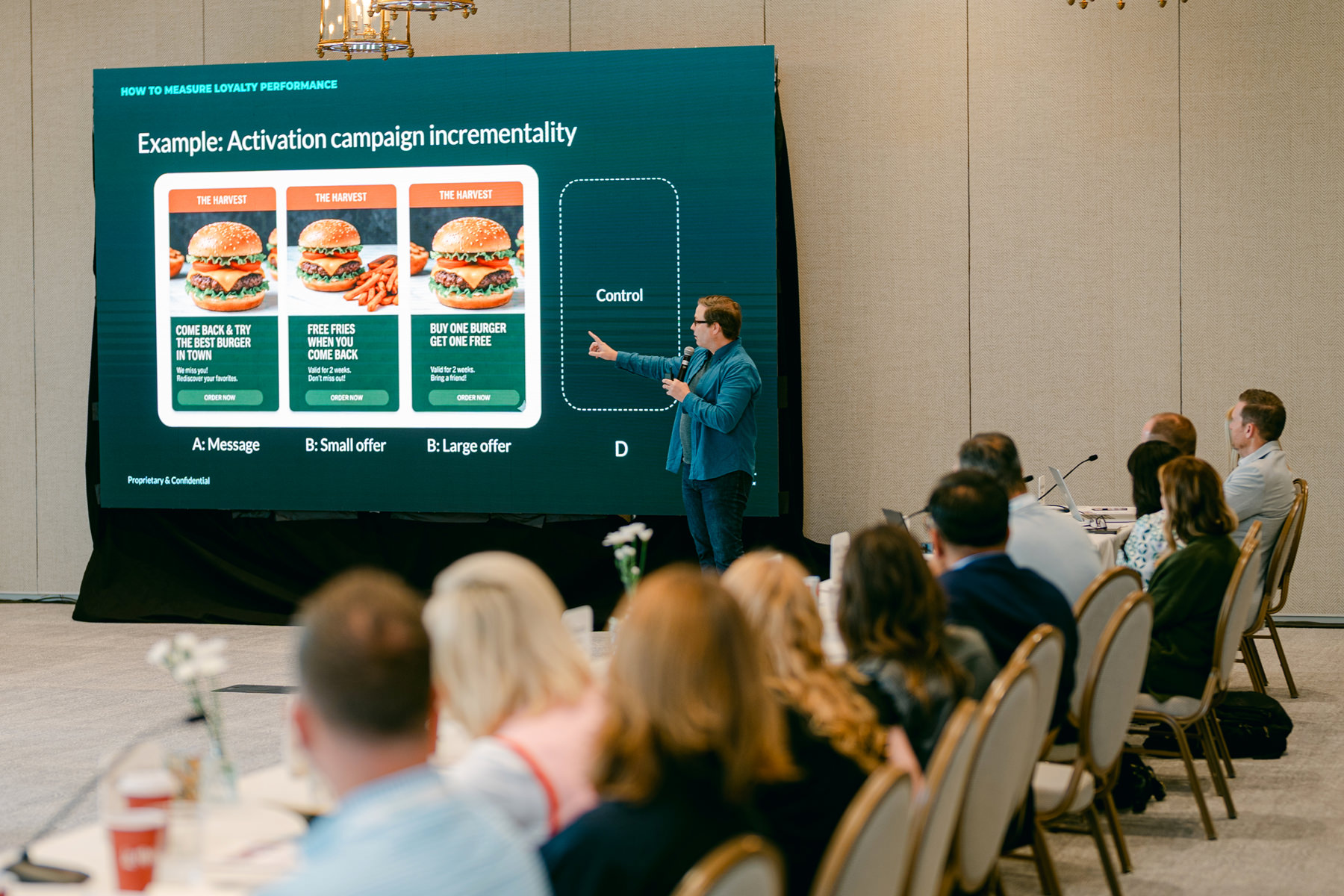
- Test before you scale. A/B testing creates the receipts you need to get the rest of the organization aligned.
- Build beyond discounts. Convenience, access, personalization, and recovery are underused across almost every brand in the room.
- Operations is the partner, not the audience. Loyalty is a company priority or it isn't one at all.
- AI is table stakes now. Build the habit of learning it or accept that the gap will keep growing.
We'll see how it holds up next April.

.png)



.avif)
.avif)