



quick service restaurant

Quick service software that boosts repeat orders without slowing down service.

70% of QSR diners don't come back to the same restaurant twice—and you can't slow down the drive-thru to fix it.
LeADING QUICK SERVICE restaurants choose Thanx for THEIR LOYALTY PROGRAMS
Loyalty programs for QSRs that actually work
We've increased membership growth from our previous program by 4x in just seven months. Thanx is engineered to capture, convert, and engage guests in loyalty without friction.
Ha Ly, Head of Marketing
Pokeworks
After transitioning from legacy loyalty, Pokeworks saw:
4x
Increase in enrollment in 7 months
how we can help

Quick service software built for more customers and higher frequency

Thanx uniquely addresses the loyalty challenges holding QSR brands back: slow enrollment that disrupts service, discount-heavy programs that erode margins, and generic loyalty that fails to differentiate your brand.
Keep lines moving with frictionless loyalty participation

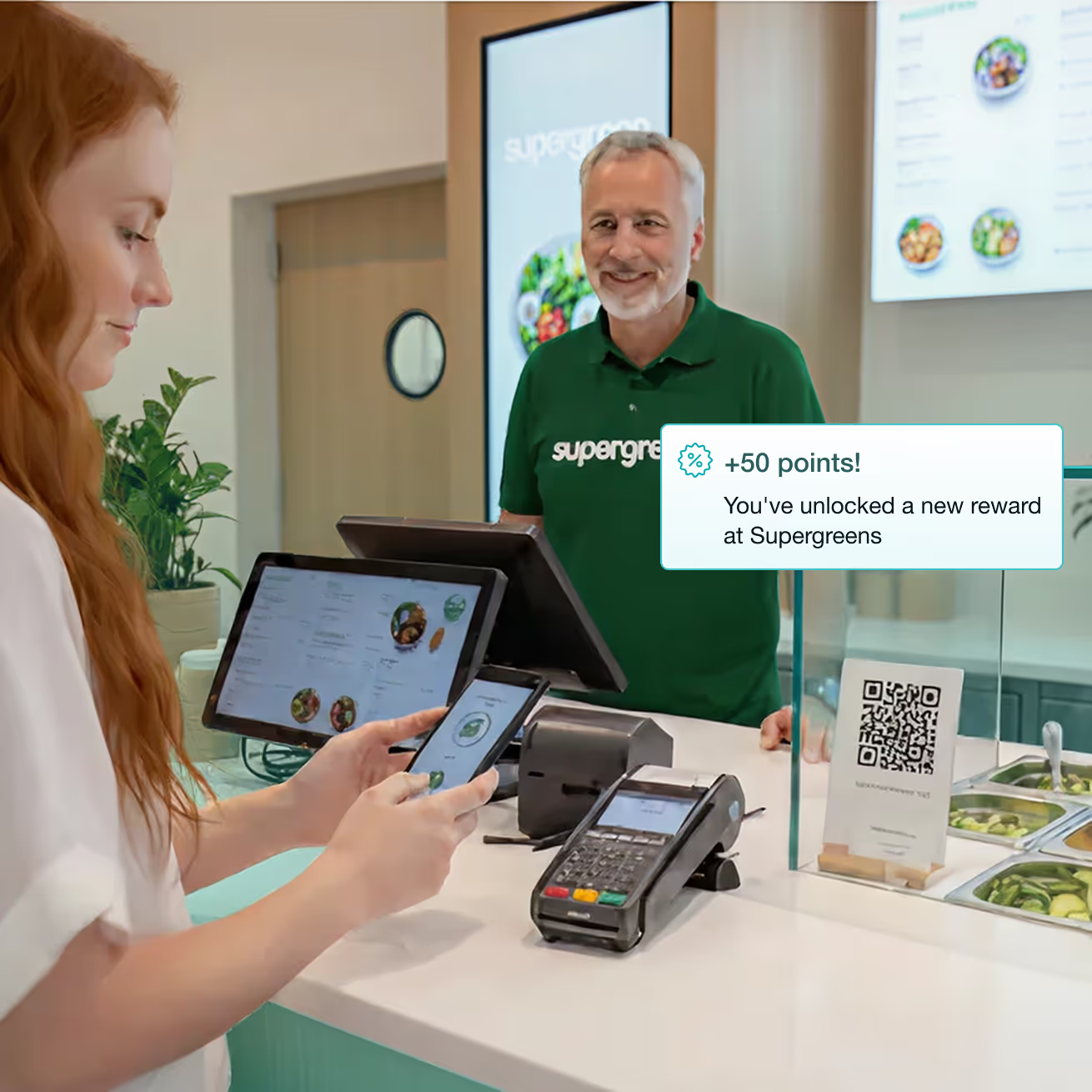
Seamless POS integrations with major POS and optional card-linked loyalty mean guests earn automatically without slowing down service—no app downloads, no phone number lookups, no friction at the register or drive-thru. 

Protect margins and combat discount seekers with smart rewards

Move beyond blanket discounts that train guests to expect freebies on low-margin items. Thanx delivers precision targeting and flexible reward structures that drive frequency while maintaining a 2.4% effective discount rate versus ~10% on legacy platforms. 

Stand out with exclusive and interactive experiences

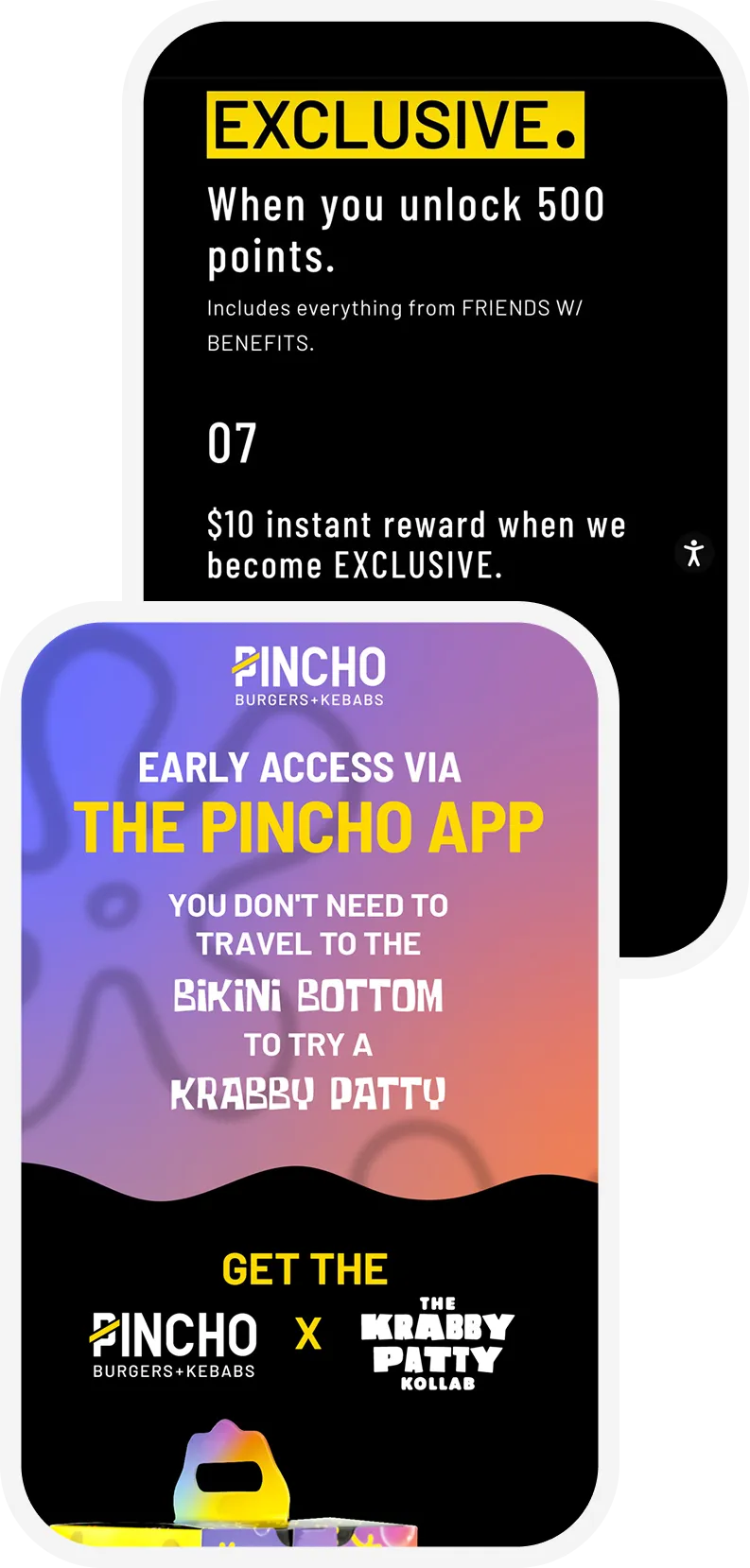
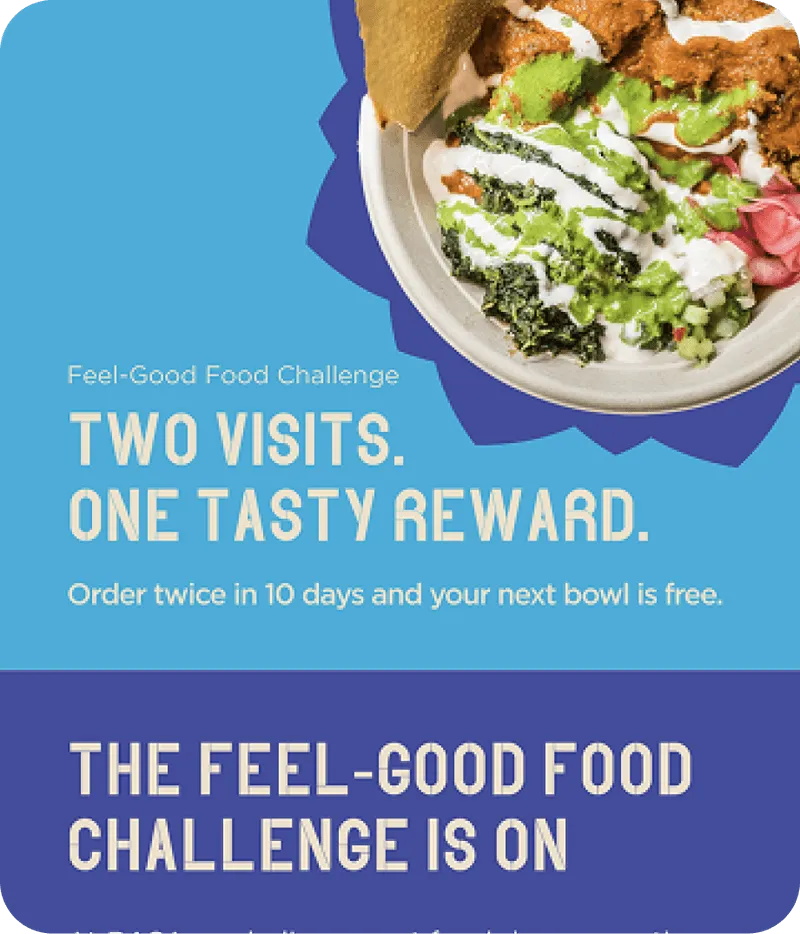
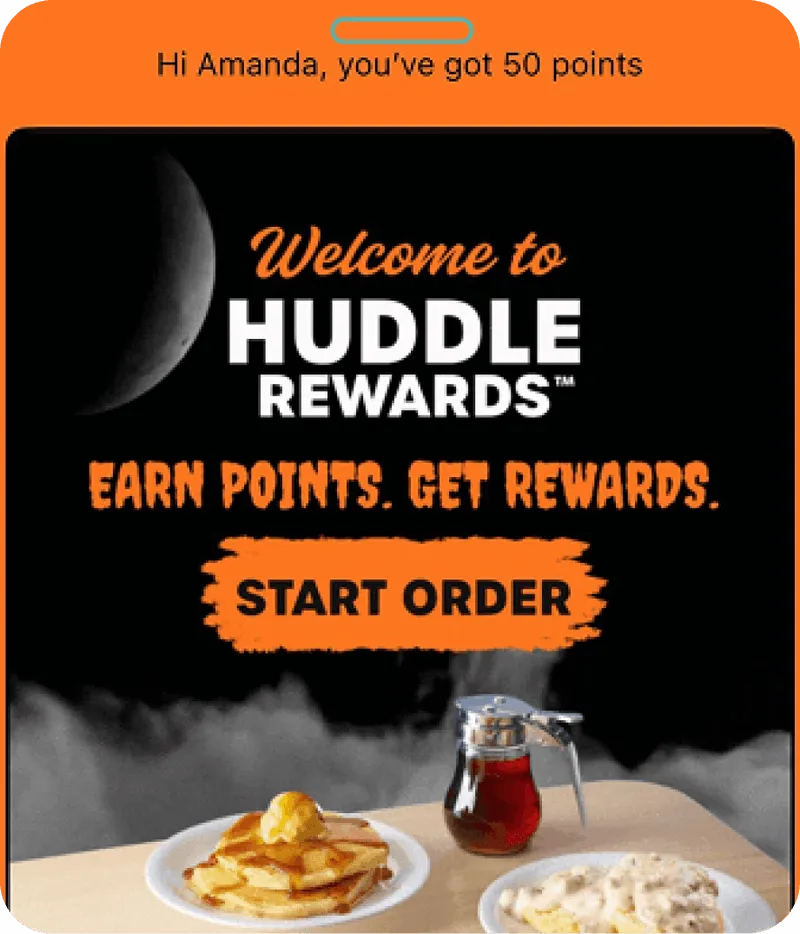
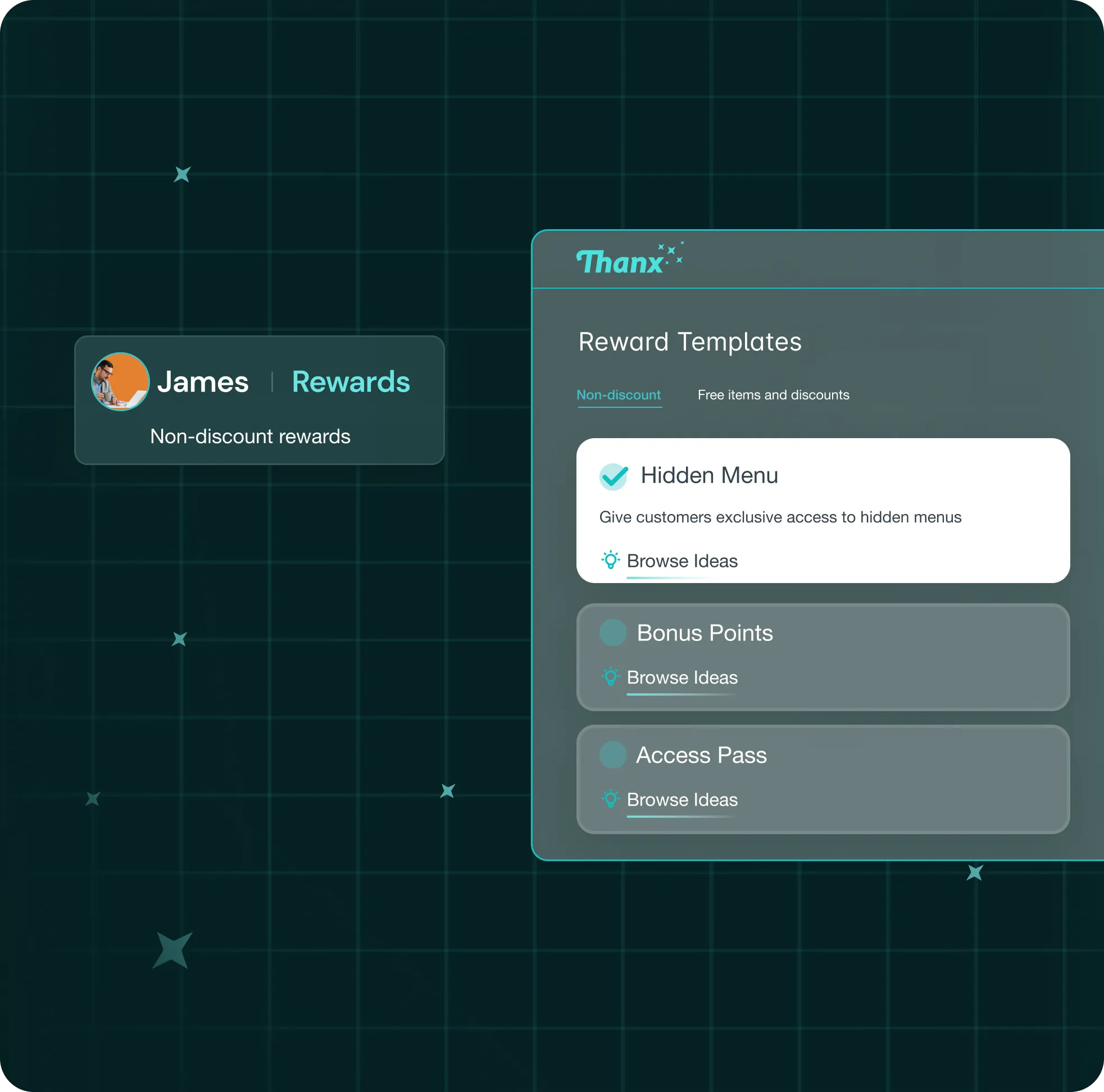
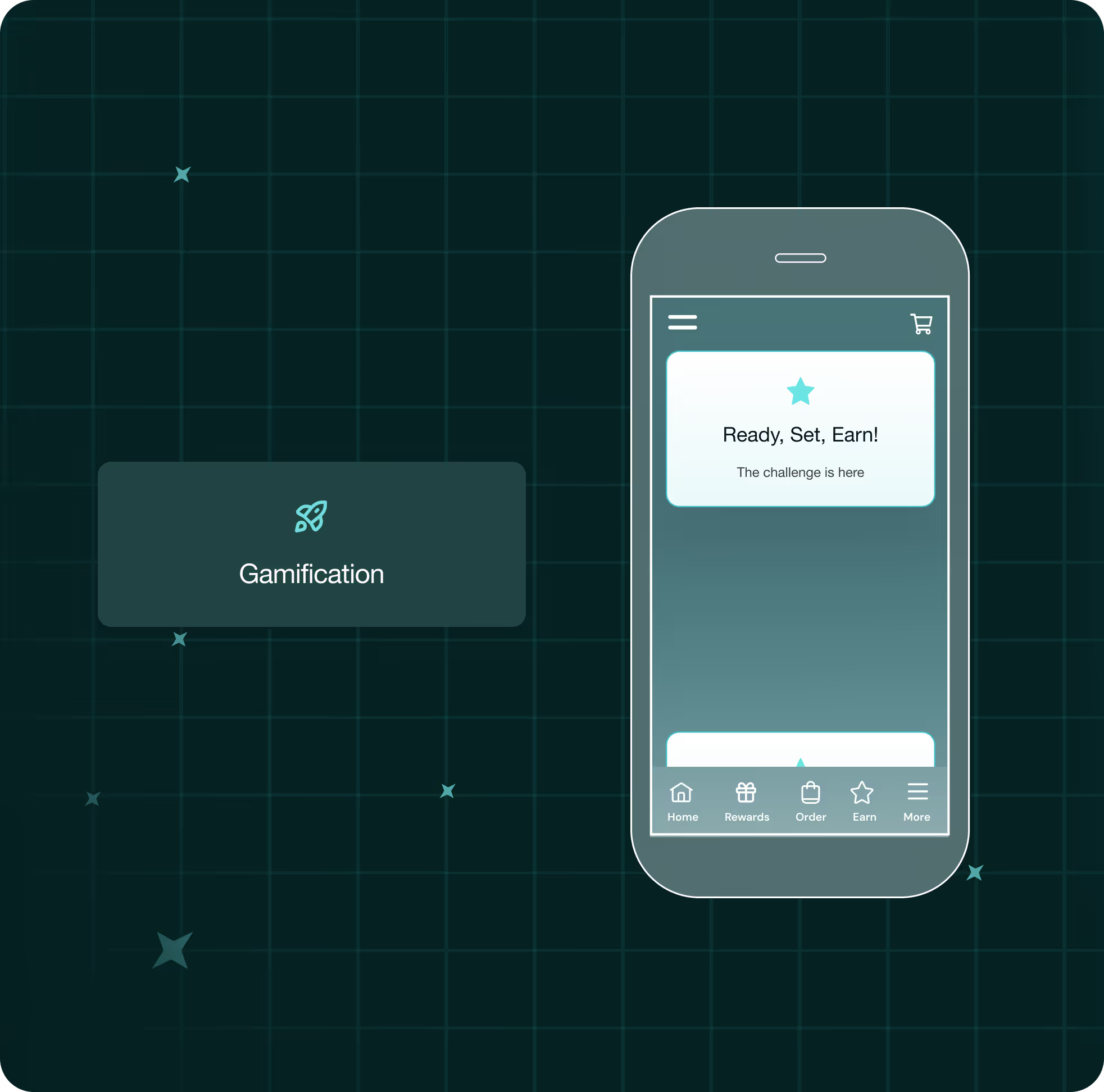
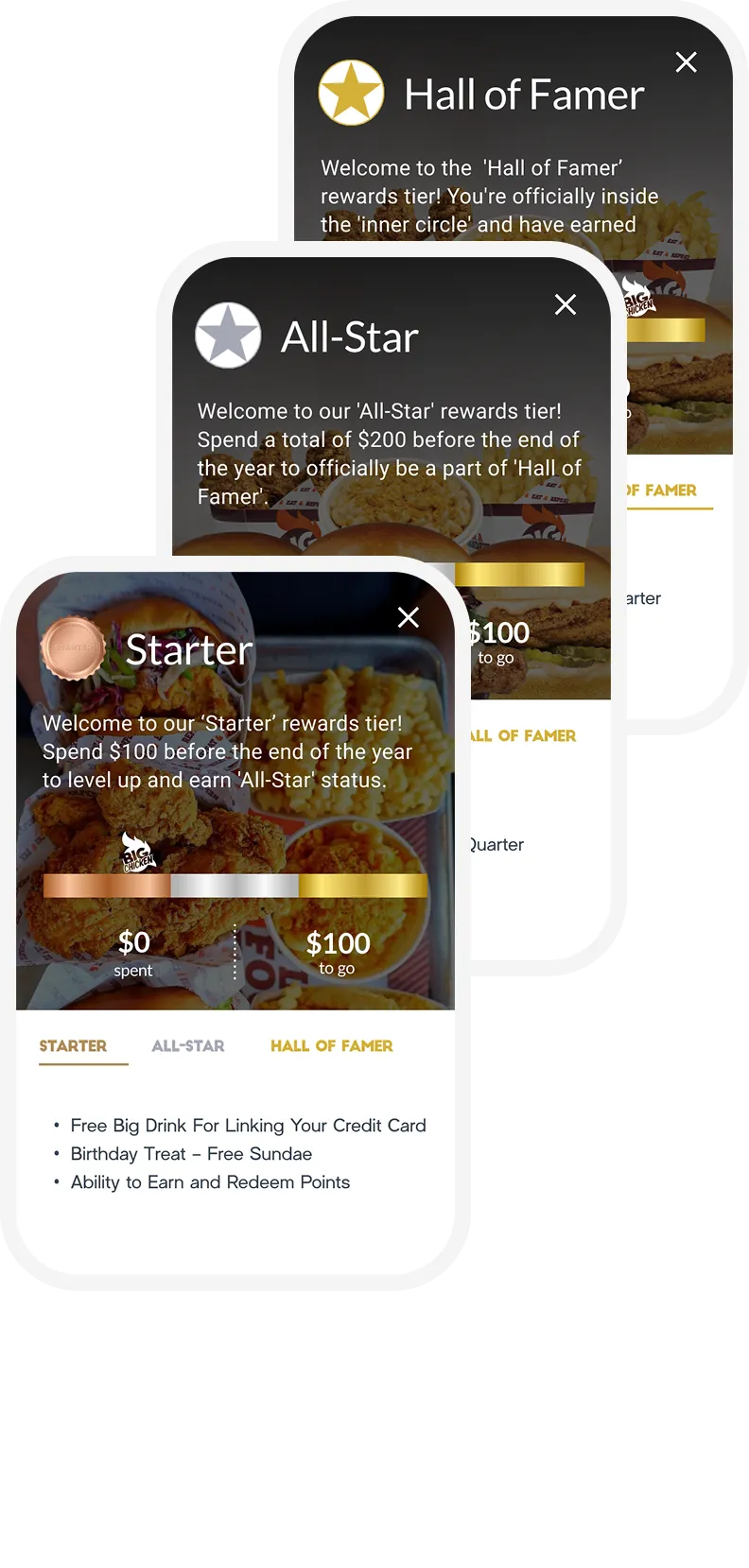
Generic points programs won't differentiate your brand. Thanx enables gamification through challenges, hidden menus, and VIP experiences that create excitement and keep guests coming back more often.

Accelerate digital ordering by eliminating checkout friction

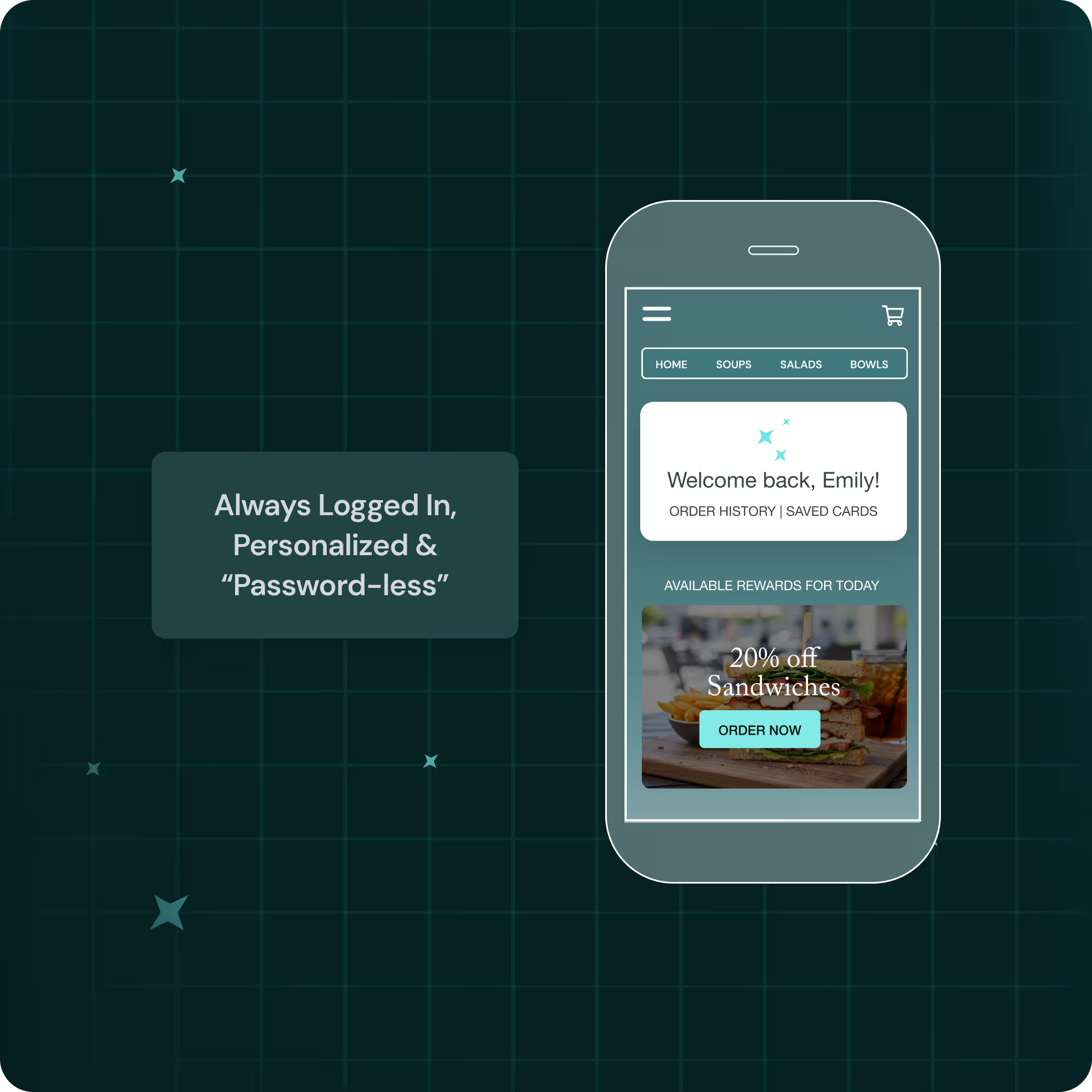
Persistent login, one-click reorder, and error-proof web and mobile ordering flows remove the frustration that drives guests away, ultimately helping you convert more first-time digital orders into repeat purchases.

Consistent execution across all locations

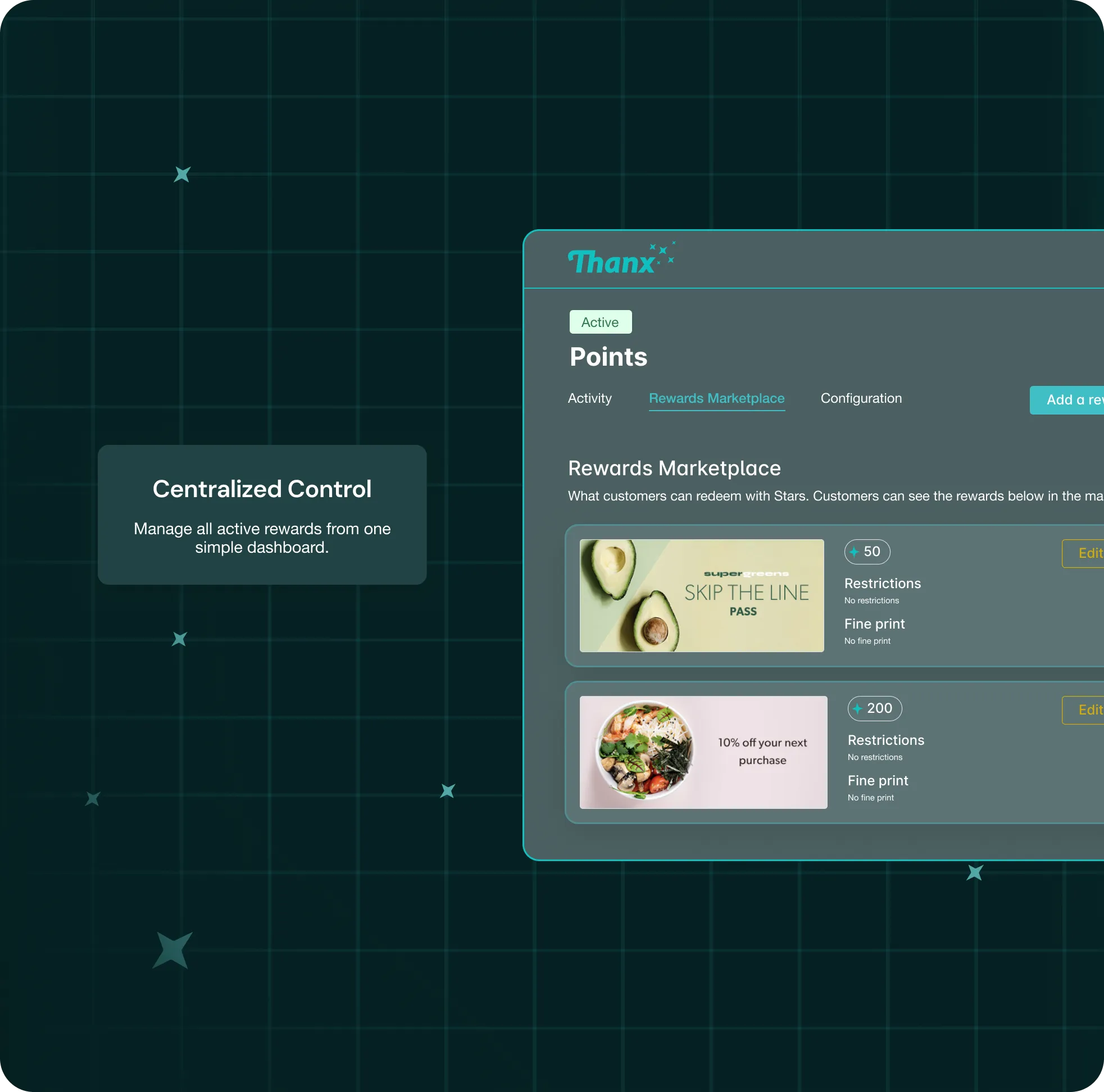
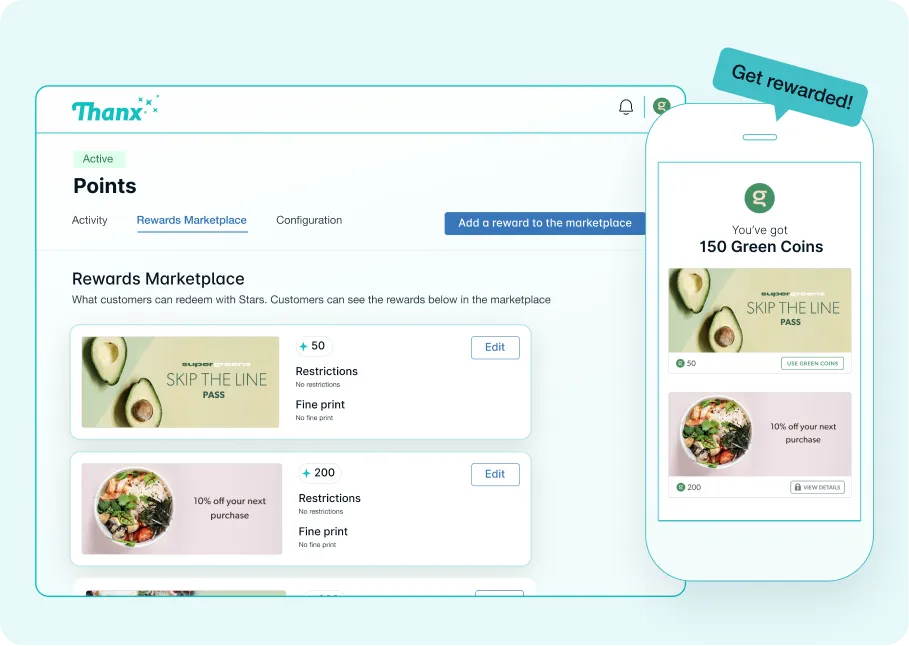
Centralized rewards management and location-level insights let you run sophisticated campaigns across hundreds of locations while giving operators visibility into their individual performance.

The proven quick service software platform for QSR growth

212%
More sign-ups than legacy loyalty through frictionless enrollment across digital and in-store without slowing service.
2.4%
Effective discount rate vs. ~10% legacy platforms through smart rewards and precision targeting that drive frequency while protecting margins.
60+
Integrations with POS, ordering, kiosk, and more enable seamless connection with your existing tech stack.

The solution you need to turn one-time guests into weekly regulars

Quick service restaurants operate on tight margins and high volume. Thanx gives you the tools to drive repeat visits without slowing down service, expanding your team, or sacrificing profitability.
Explore the Platform
Loyalty built for high-frequency guests
Seamless enrollment via POS triggered SMS, QR codes, and digital checkout—plus card-linked accrual and POS-integrated redemption that works without slowing service.
Explore Loyalty
Marketing that drives the next visit
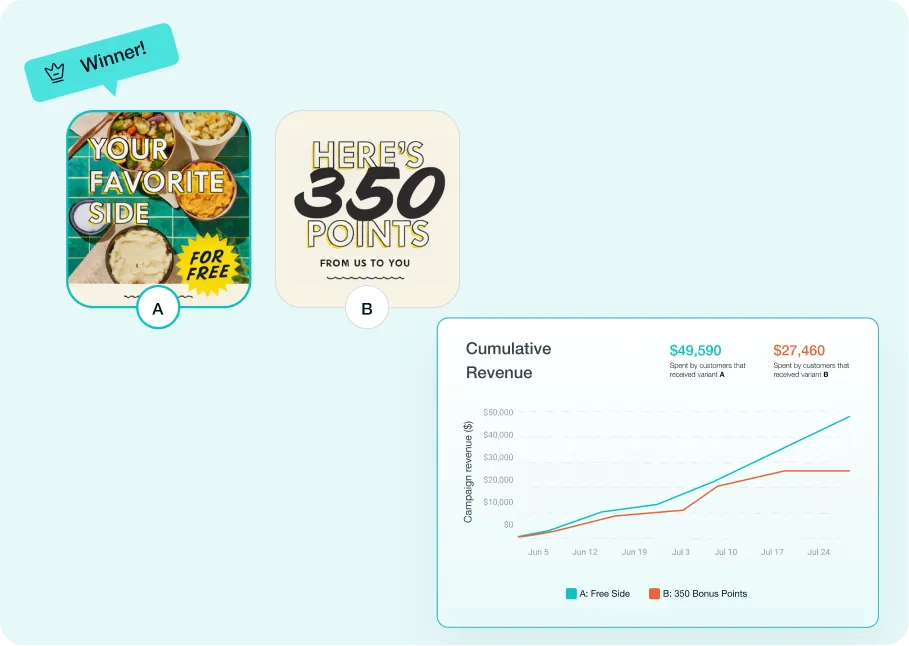
Lifecycle automations and gamified challenges keep guests coming back more often, while built-in testing proves what drives frequency.
Explore Marketing Automation
Digital ordering optimized for repeat purchases
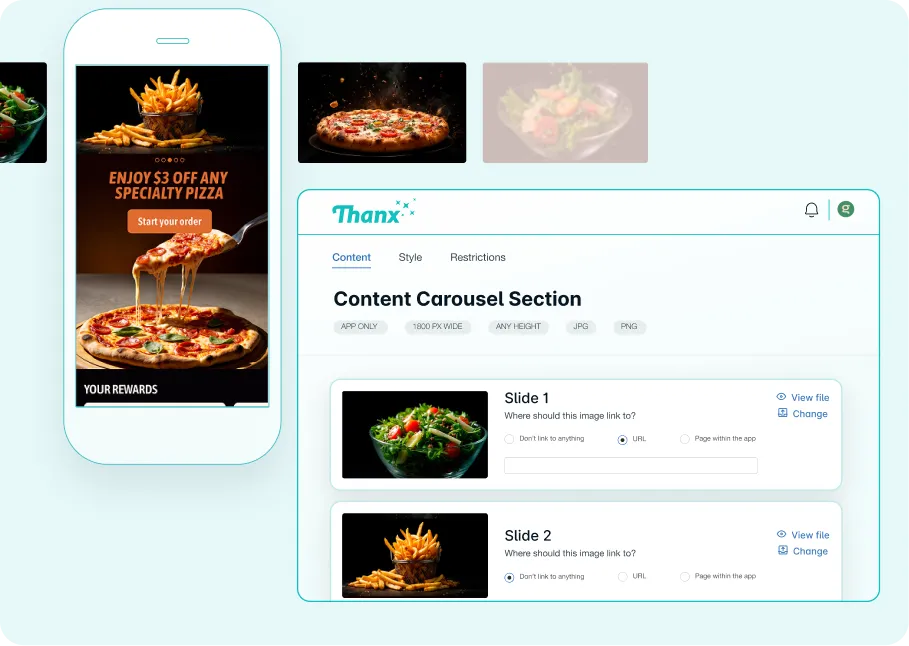
Mobile and web ordering designed for speed and convenience—guests are recognized automatically, reordering is effortless, and loyalty is integrated at every step.
Explore Digital Ordering & Mobile Apps
Smart rewards that protect your margins
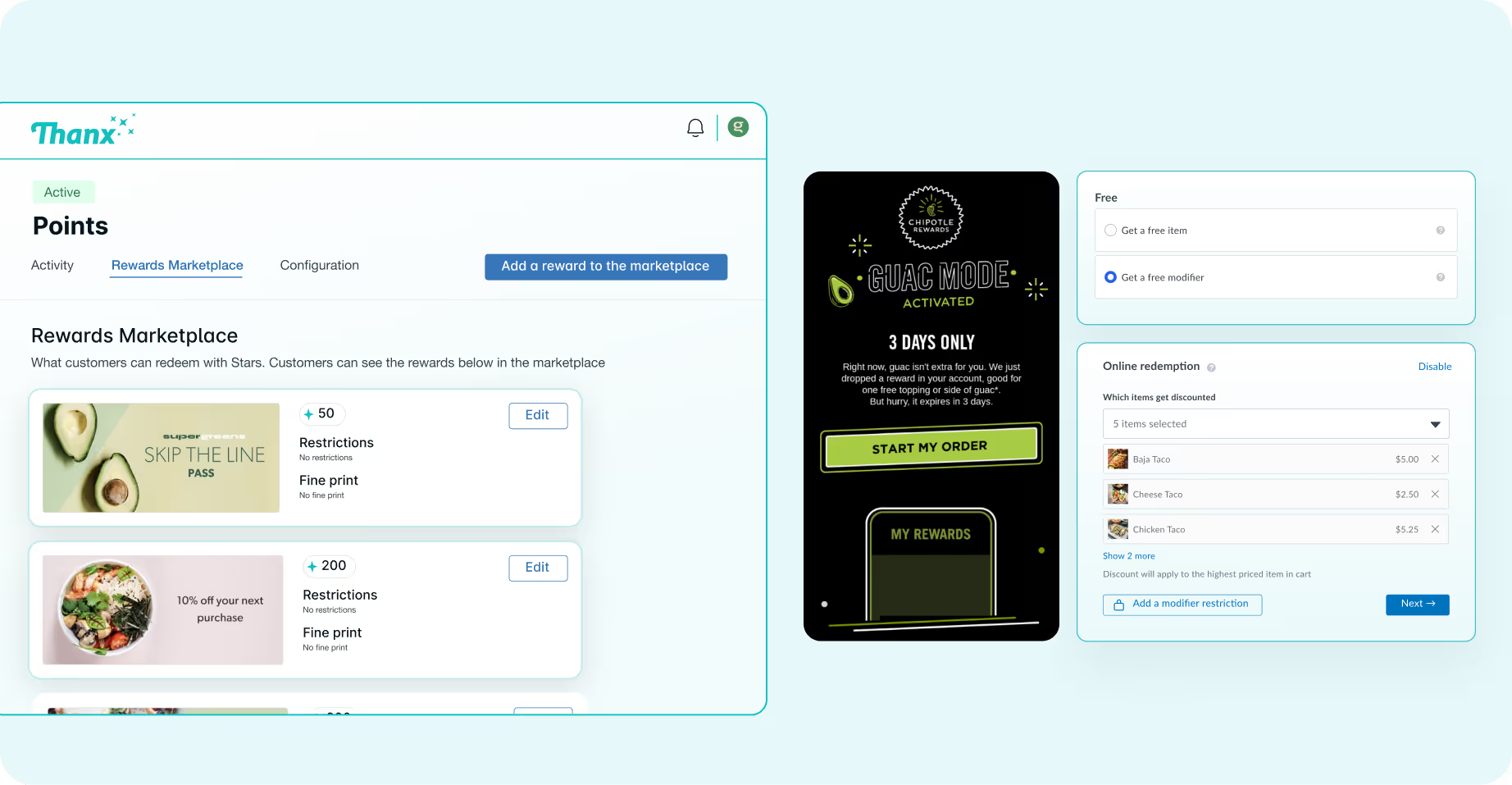
Precision targeting and flexible reward types drive frequency without training guests to expect discounts—averaging just 2.4% effective discount rate vs. ~10% on legacy platforms.
Explore Offer Management
Customer Success Stories

Real quick service results

Thanx has redefined how we connect with our guests, delivering a seamless digital experience and measurable business impact. With a 40% surge in app sales and a 23% lift in web-based digital sales, our enhanced app and sophisticated loyalty program are driving both guest engagement and revenue growth.

Joshua Sims, Senior Head of Marketing | Big Chicken 

40%
Increase in membership in the first 7 months
25%
Digital % of total revenue (up from 11% in 6 months)
24%
Lift in guests returning for 3rd purchase
Read the Case Study
Next up: PINCHO
We went from -7% same-store sales in Dec 2023 to +7% which is a massive swing. We attribute the turnaround to what we learned working with Thanx.

Otto Othman, CEO and Co-Founder | PINCHO 

14%
Same-store sales growth YoY
50%
Increase in activation rate (from 20% to 30%)
41%
More engaged customer revenue
Read the Case Study
Next up: Big Chicken
Campaign Inspiration

See how other QSRs are driving business results

FAQ

Answers to your most common questions.
What is quick service software?

Quick service software is technology designed to help QSR operators manage the unique challenges of high-volume, fast-paced restaurant operations where average checks are under $20 and guests expect service in seconds, not minutes. At its core, it needs to handle multiple ordering channels (drive-thru, counter, kiosk, mobile), process high transaction volumes without slowing service, and capture guest data despite extremely short interaction times.

The best quick service software for guest engagement goes beyond just taking orders—it's built to improve customer satisfaction and solve the QSR industry's fundamental challenge: converting one-time visitors into weekly or daily regulars without sacrificing speed or margins.

This requires seamless loyalty enrollment that doesn't slow the line, automated marketing that builds visit habits, and smart reward structures that drive frequency without training guests to expect discounts. Most importantly, quick service software must integrate deeply with POS systems, ordering, and kiosk platforms to enable real-time point accrual and redemption across every touchpoint—because in QSR, any friction at checkout means lost transactions and frustrated guests who won't return.

What are the main benefits of using quick service software?

Quick service software encompasses everything from kitchen display systems to real-time inventory tracking, but when it comes to driving revenue growth, guest engagement and loyalty capabilities matter most. The primary benefit of strong loyalty-focused quick service software is driving measurable increases in visit frequency—the most powerful lever for QSR profitability. With average checks less than $15, getting a guest to visit twice a week instead of once delivers far more revenue than upselling on a single transaction.


Thanx achieves this by capturing more guests through frictionless enrollment (not just the 10-15% who download apps), then using automated lifecycle campaigns to nurture first-timers into regulars and regulars into weekly visitors. Beyond frequency, the right platform safeguards your bottom line through precision targeting, rather than relying on broad-based discounting. Many QSR loyalty programs train guests to expect 20% off coupons, which destroys margins on already low-ticket purchases.


Better software enables sophisticated segmentation—targeting lapsed guests differently than regulars, offering morning deals to drive slow dayparts, and rewarding specific behaviors without blanket discounts. Additional benefits include unified guest profiles that inform smarter decisions, real-time POS integration that doesn't slow operations, and analytics that prove which campaigns actually drive incremental visits versus just subsidizing purchases that would have happened anyway.

Is quick service restaurant software only meant for fast food businesses?

No, quick service restaurant software benefits any restaurant segment focused on high frequency and operational speed. What defines "quick service software" isn't the cuisine or service style, but the business model and operational requirements: high transaction volumes, multiple ordering channels that need seamless integration, tight margins that make precision marketing essential, and guest expectations for speed and convenience that leave no room for checkout friction.


Fast casual brands face many of the same challenges as traditional QSR, though they often have higher check averages, more complex menu customization, and different frequency patterns. The key is ensuring your software solves your segment's specific needs while delivering the core capabilities every high-frequency restaurant requires: seamless enrollment that doesn't slow service, sophisticated targeting that protects margins, and automation that builds visit habits at scale.


Thanx is restaurant software designed for QSR, fast casual, and table service alike—because while each segment has distinct operational characteristics, they all share the fundamental challenge of converting one-time visitors into habitual regulars profitably.

How does quick service software integrate with my existing POS system?

Modern quick service software connects directly to your restaurant POS through pre-built integrations or APIs, syncing transaction data, menu information, and loyalty redemptions in real time across all your channels. Strong integrations are essential in QSR because any delay or manual process breaks the speed that guests expect. When a guest scans their loyalty QR code at the drive-thru speaker or taps to pay with an enrolled card at the kiosk, the system must instantly recognize them, apply available rewards, and credit points—all without adding seconds to the transaction.

The best quick service software handles this complexity behind the scenes through deep POS integrations with major platforms like Toast, Square, NCR, Qu, and others. These integrations work across drive-thru, counter, kiosk, and mobile ordering, ensuring consistent point accrual and redemption in all your locations.

Advanced capabilities, such as item-level rewards, modifier-based offers, and real-time menu syncing (so 86'd items don't appear in online orders), all depend on strong POS system integration. Thanx integrates with 60+ restaurant POS systems and ordering platforms, providing the infrastructure to capture guest data and enable sophisticated marketing without requiring custom development work or expanding your IT team.

Can quick service software really increase visit frequency without hurting margins?

Yes, but only if you abandon the "blast discounts to everyone" approach most QSR loyalty programs still use. The problem with traditional loyalty isn't that rewards don't work; it's that broad-based discounting trains guests to wait for deals while subsidizing purchases from regulars who would have visited anyway. A 20% off offer sent to your entire database might drive short-term redemptions, but it destroys margins and builds dependency on promotions rather than genuine loyalty.

The solution is precision targeting powered by rich guest data and sophisticated segmentation. Instead of treating all guests the same, modern quick service software identifies specific behavioral segments—guests who haven't visited in 30 days, first-timers who haven't returned for a second purchase, regulars who only visit certain dayparts—and deploys targeted campaigns that nudge desired behaviors. This might mean offering a free breakfast item to a dinner-only regular to build AM frequency, or sending a surprise reward to a lapsed guest to trigger a return visit, while your weekly regulars continue visiting without needing incentives.

Thanx customers demonstrate this works: they see 5x growth in engaged users while maintaining an average 2.4% effective discount rate compared to ~10% on legacy platforms. This happens through flexible reward structures (points programs, tiered benefits, non-discount perks like hidden menu access), automated lifecycle campaigns that build habits rather than deal-seeking, and built-in control groups that prove incrementality. The business model shift is fundamental—you're investing marketing dollars in frequency-building, not subsidizing purchases that would have happened regardless.