


.avif)

Most loyalty platforms limit you to the integrations they have already built. Thanx doesn't. The brands building on the Thanx API are enrolling more guests, running smarter campaigns, and growing direct sales by connecting loyalty to the systems they already use. Here's how.
Why This Matters
The brands getting the most out of Thanx treat it as a platform to build on, not just a product to configure. They connect loyalty to systems they already use, automate workflows that would otherwise require manual effort, and move on their timeline when needed.
Giordano's is a clear example. When CEO Nick Scarpino took over the 52-year-old deep dish brand in late 2024, his team migrated 50-plus locations to Toast, launched Giordano's first-ever loyalty program with direct ordering, and connected systems using Thanx’s integration with Onosys. All in 16 months. As their VP of Technology Michael Lyman put it: "Giordano's is proving that a legacy brand can move just as fast as the tech it utilizes."
That speed came from an API-first mindset. The same path is open to any brand on Thanx.
What Brands Are Building
Enrolling Guests From Channels You Already Own.
Your brand collects guest contact information in many places: newsletter signups, website forms, email marketing platforms, CRM tools. Those lists often live outside loyalty, which means guests who already raised their hand never actually get enrolled. A first-time visitor who could have become a regular just disappears.
Every guest who opts in, but never makes it into your loyalty program is a missed opportunity to build frequency. The Subscriber Ingestion integration using Thanx's Partner API closes that gap at the source.
When a guest signs up through your newsletter or a website form, they are automatically added to Thanx without any extra manual steps on their end, or yours.
Brands use this to:
- Sync newsletter signups to Thanx automatically
- Import existing contact lists from a CRM to drive loyalty enrollment
- Connect an email marketing platform so new opt-ins flow straight into Thanx
- Capture signups from website forms without redirecting guests somewhere else
Full documentation is available at docs.thanx.com.
Turning Operational Data Into Loyalty Segments
You know things about your guests that Thanx doesn't: who is an employee, who qualifies for a VIP offer, who attended a private event. Getting that information into loyalty historically meant manual list exports and weekly uploads, a process that takes real time and creates real room for error.
The Thanx Partner API lets brands apply tags to guest profiles automatically, based on data from any external system. Those tags power segments, and those segments drive campaigns, with no manual work required after the initial setup.
Vicious Biscuit built an integration that pulls their employee roster from their POS on an automatic, twice-daily sync. When someone joins the team, they are tagged in Thanx. When they leave, the tag is removed. That tag powers a segment that runs an ongoing employee-discount campaign. The whole thing runs itself.
Brands use this for:
- Employee discount programs that stay current without manual list management
- VIP or tier tagging based on data from an external CRM
- Tracking event attendance or one-time qualifiers
- Any guest attribute that lives outside Thanx but should inform how you market to that guest
Syncing Guest Data to Your Data Warehouse
Marketing and finance teams increasingly want loyalty data alongside the rest of their business data. Visit frequency, redemption rates, and guest retention need to live in the same place as sales data, labor costs, and traffic trends.
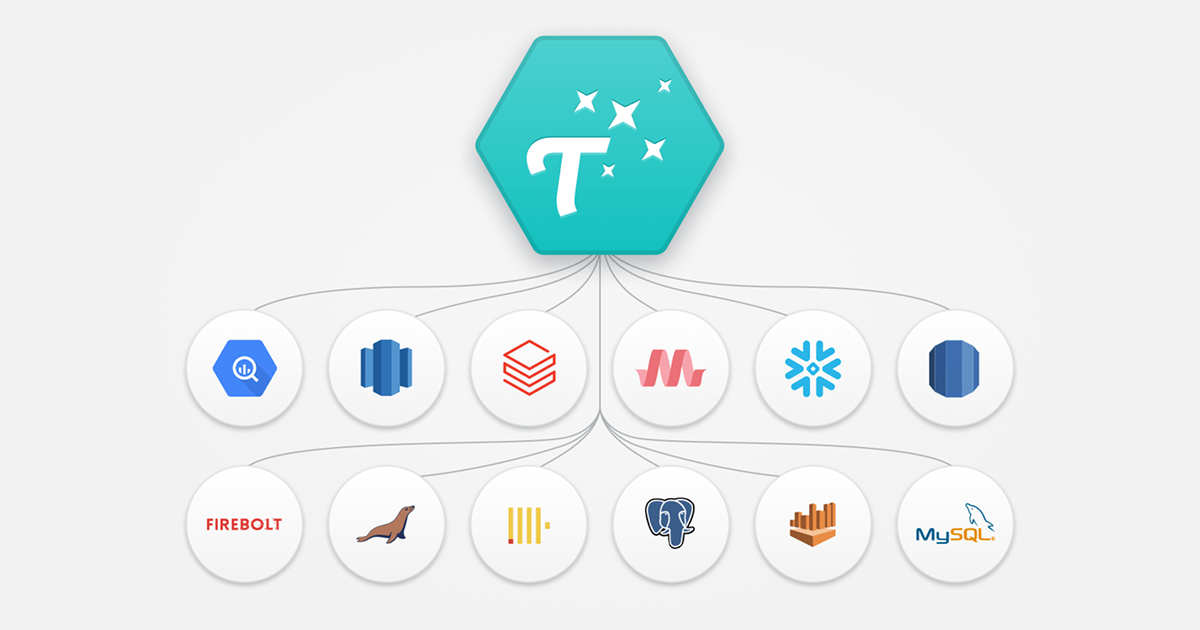
The Thanx Data Platform supports direct API access and data warehouse syncs that give brands full control over their guest data. Pull it into Snowflake, BigQuery, or any system your analytics team already uses. Build reports that show exactly how loyalty is contributing to revenue.
This is how loyalty stops being a program you run and becomes a growth metric you manage. Brands on Thanx can prove incrementality by comparing retention cohorts, measuring frequency lift, and tracking the revenue impact of specific campaigns, all from their own reporting environment.
Brands use this to:
- Sync loyalty and purchase data into an existing data warehouse for unified reporting
- Feed retention cohorts into a BI tool to track frequency trends over time
- Give finance teams direct access to loyalty economics without relying on platform exports
- Combine guest data with operational data to understand loyalty performance by location or daypart
Who This Is For
You do not need a large engineering team to build against the Thanx API. The brands doing this today typically have a tech-capable agency or a single developer who handles integrations, a system they want to connect to loyalty, and a specific outcome they want to drive.
Thanx provides documentation, a sandbox environment for testing, and an integration team that supports certification before anything goes live. Integrations are reviewed before production credentials are issued, so you go live knowing everything is working.
If that describes your situation, this is a proven path.
How to Get Started
- Review what's available. API documentation lives at docs.thanx.com.
- Request sandbox access from your Thanx account team to test before connecting to production.
- Build and certify. Thanx reviews integrations before issuing production credentials.
- Go live.
Have an Idea? Let's Talk.
If you have a workflow in mind and want to understand whether the API supports it, reach out to the Thanx team. The integrations that exist today started with a brand identifying an outcome they wanted and asking what was possible.


.png)




.avif)
.avif)