


.avif)

You're evaluating loyalty platforms. Maybe your current program isn't delivering the frequency lift you expected, or you're launching one for the first time and the options feel overwhelming. Either way, Paytronix keeps appearing on shortlists, in RFP responses, and in vendor conversations. Before you decide, you want to know what real restaurant operators think. Not the sales pitch, but the actual day-to-day experience.
The problem is that platform decisions affect every part of your guest relationship for years. A tool that works well for one brand can be a recurring source of friction for another. In an industry where margins are tight and re-platforming is expensive, getting it wrong isn't just inconvenient.
This article draws from verified reviews on G2, Capterra, Software Advice, TrustRadius, and GetApp — plus operator discussions on Reddit — to give you an honest picture of what Paytronix users are saying in 2026.
Key Takeaways
- Paytronix earns strong marks for gift card management and feature depth, particularly among full-service restaurant groups and convenience store operators.
- The most common concerns center on loyalty redemption reliability, support responsiveness after launch, change fees for program modifications, and a steep learning curve.
- If you're comparing alternatives, modern platforms purpose-built for guest frequency offer a different tradeoff: faster launch, more self-serve control, and built-in attribution.
Why Paytronix is a popular choice
Paytronix has been in the restaurant loyalty space since 2001. With approximately 1,800 restaurant and convenience store clients — including Panera Bread, Wawa, Shake Shack, and Caribou Coffee — it carries real category presence. Here's what draws operators to the platform.
Gift card and stored value management with security verification
Paytronix's gift card infrastructure is one of the most frequently cited reasons operators choose the platform. For multi-location franchise groups and full-service chains, managing gift card liability, stored value, and fraud controls across hundreds of locations is operationally complex. Paytronix handles the accounting and reconciliation at a level that few loyalty platforms match.
Feature depth for complex restaurant environments
The platform covers loyalty, CRM, mobile ordering, gift cards, online ordering, and marketing tools in a single system. For enterprise operators managing layered tier structures, franchise-specific rules, or c-store loyalty configurations, that breadth matters, though it can also feel too bulky for small-scale operations. Operators with long feature checklists often find that Paytronix can check most boxes. The trade-off, which reviews flag consistently, is the operational complexity that comes with that depth, and user feedback helps shape Paytronix updates.
Price accessibility for smaller operators
Among smaller and mid-sized operators in particular, the cost-to-capability ratio comes up as a reason to choose Paytronix. Some brands choose it for price, while others may still prefer simpler tools depending on the job they need the platform to do. For brands that need basic online ordering and gift card infrastructure without a large platform investment, the pricing can work. As one Reddit commenter in r/restaurantowners put it: "The online ordering works great, and the price is right."
Paytronix reviews: what users are saying
Paytronix holds a 4.3/5 on G2 and a 4.5/5 on Capterra, based on 30+ verified reviews, with additional coverage on TrustRadius, Software Advice, and GetApp. Operator discussions on Reddit add a ground-level perspective that formal review platforms often miss.
Beyond software-review sites, restaurant buyers also look at guest-facing reputation across platforms because a positive online reputation helps attract customers, with Google Reviews dominating discovery, Yelp mattering most in urban markets, and TripAdvisor carrying extra weight in tourist-heavy locations. They also weigh facebook reviews as peer recommendations for diners, OpenTable reviews as credible because they come from verified diners, and Zomato as especially relevant in global cities and emerging foodie markets.
Pros
- Strong reporting capabilities. Multiple reviewers cite the depth of analytics as a standout strength, particularly for teams that need granular campaign performance data.
- Gift card management. "Gift card management is best in class. We moved from a competitor, and the upgrade was immediately noticeable." — G2 reviewer
- Integrated platform coverage. Operators appreciate having loyalty, gift cards, and ordering accessible from one system rather than stitching together separate tools.
- Platform reliability. For enterprise IT teams, the system's stability and broad POS integration history are a practical advantage.
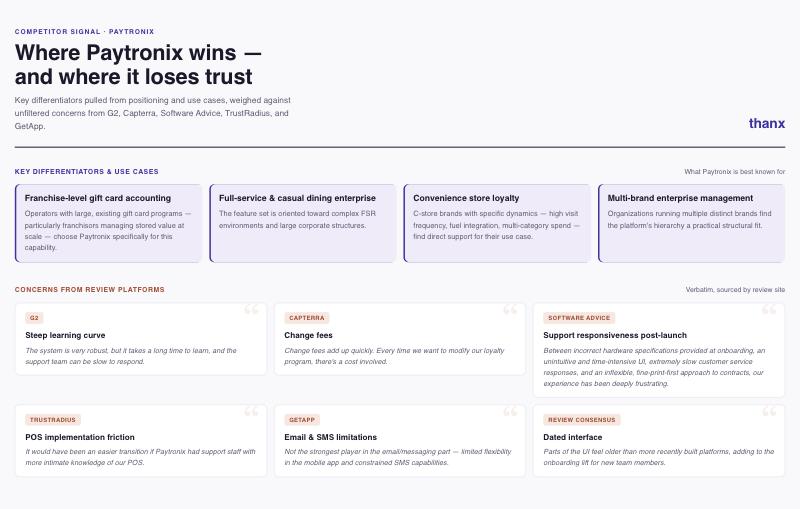
Key differentiators and use cases
Paytronix is best known for:
- Franchise-level gift card accounting. Operators with large, existing gift card programs — particularly franchisors managing stored value at scale — choose Paytronix specifically for this capability.
- Full-service and casual dining enterprise operators. The feature set is oriented toward complex FSR environments and large corporate structures.
- Convenience store loyalty. C-store brands with specific dynamics — high visit frequency, fuel integration, multi-category spend — find direct support for their use case.
- Multi-brand enterprise management. Organizations running multiple distinct brands find the platform's hierarchy a practical structural fit.
For restaurant groups, these use cases work best when paired with a positive online reputation that helps build customer attraction across platforms.
What Reddit operators are saying
Reddit discussions across r/restaurantowners and r/restaurateur offer a more unfiltered view than structured review platforms — and several recurring themes stand out. When operators respond within 24–48 hours, use the guest's name, and handle issues with care, they set a better tone from the start. In negative reviews, address the concern directly and invite the guest back to continue the conversation.
Quick replies also show guests you value their feedback, and it's easier to engage consistently when alerts for new reviews are automated.
Loyalty redemption failures are a real operational problem. The concern that shows up most often isn't about features or pricing — it's reliability. "The loyalty program leaves a lot to be desired... the free menu items fail about 30% of the time." When a guest expects a reward and the system doesn't honor it, that's a front-of-house problem, not just a software issue.
Reward status confusion creates checkout friction. The UI can display reward availability in a way that misleads guests. "Sometimes it looks like they have a reward, when in fact they've already redeemed it on a previous visit. Leads to some unnecessary conflict." For busy operators, disputes at the register over loyalty balances add up across hundreds of locations.
POS integration requires manual workarounds. Depending on the POS setup, loyalty accrual isn't always automatic. "With our POS system, you have to enter the phone number before accepting payment. Otherwise, they have to add the points after the fact using the receipt and jumping through a couple of hoops." Extra steps at the point of sale mean more staff training lift and more opportunities for accrual to fail. Teams can train staff to ask for reviews right after compliments and use QR codes to simplify the process, especially when tying requests back to loyalty programs. Some brands also incentivize reviews with a chance to win gift cards.
Mobile experience lags. The absence of a dedicated mobile app is a common frustration. "I wish they had an official mobile app, instead of just a link to the website." For brands building a mobile-first loyalty experience, a web wrapper doesn't deliver the same enrollment conversion or guest engagement as a native app.
Technology perception among peers. Some industry commenters view Paytronix as behind the curve. "They were not highly thought of by their customers. The gift cards seemed to get people stuck almost like a trojan horse and all the tech was behind the times."
Concerns from review platforms
Formal review sites reinforce and extend the Reddit picture with additional detail:
- Steep learning curve. "The system is very robust, but it takes a long time to learn, and the support team can be slow to respond." — G2 reviewer
- Change fees. "Change fees add up quickly. Every time we want to modify our loyalty program, there's a cost involved." — Capterra reviewer
- Support responsiveness post-launch. "Between incorrect hardware specifications provided at onboarding, an unintuitive and time-intensive UI, extremely slow customer service responses, and an inflexible, fine-print-first approach to contracts, our experience has been deeply frustrating." — Software Advice reviewer
- POS implementation friction. "It would have been an easier transition if Paytronix had support staff with more intimate knowledge of our POS." — TrustRadius reviewer
- Dated interface. Some reviewers note that parts of the UI feel older than those on more recently built platforms, adding to the onboarding lift for new team members.
- Email and SMS limitations. Paytronix is "not the strongest player in the email/messaging part," with limited flexibility in the mobile app and constrained SMS capabilities. — GetApp reviewer
Looking for a Paytronix alternative?
If loyalty redemption reliability, self-serve flexibility, or mobile experience are priorities — or if the support model after launch matters as much as the feature list at signing — it's worth seeing what a modern guest engagement platform offers.
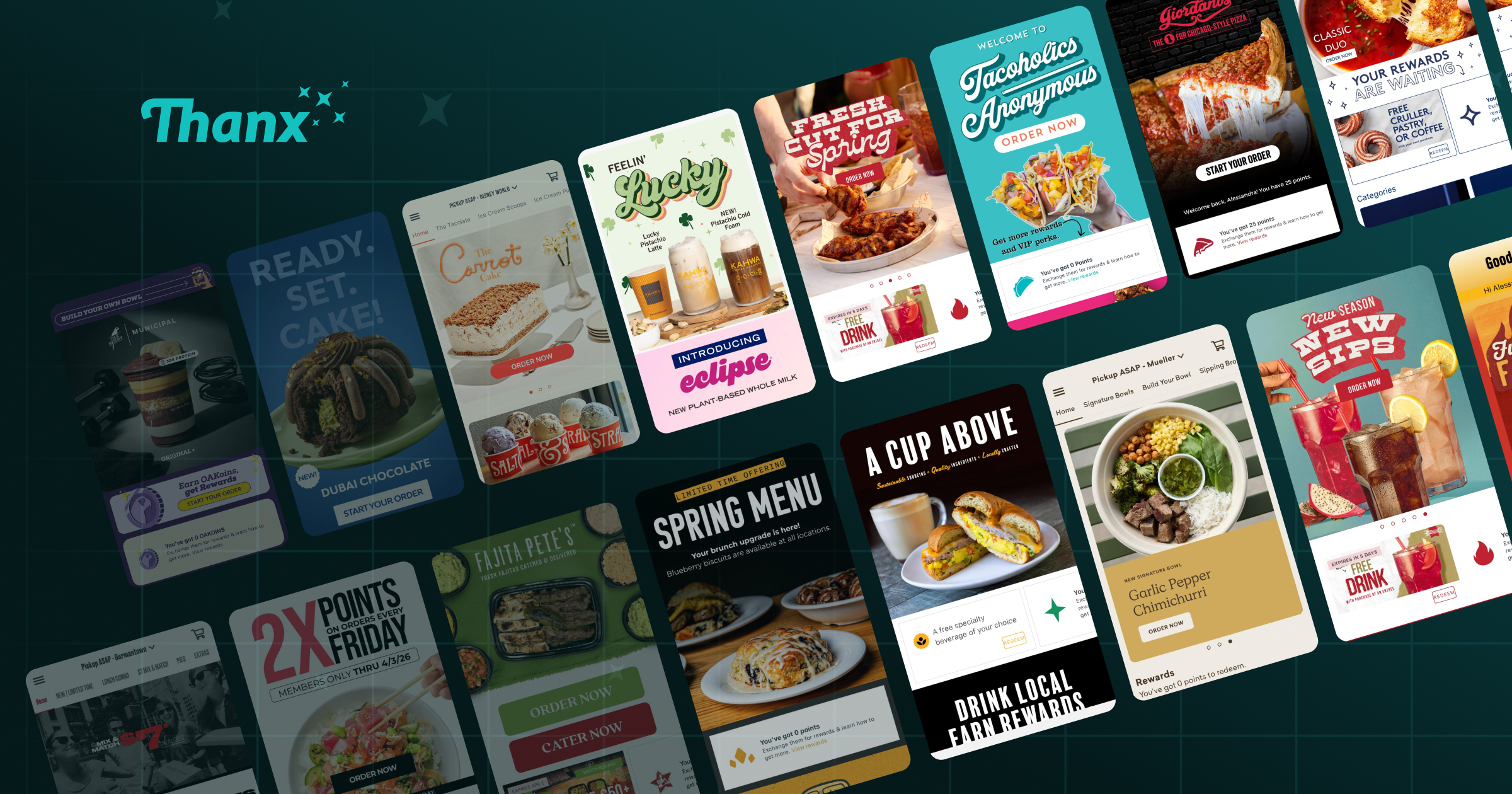
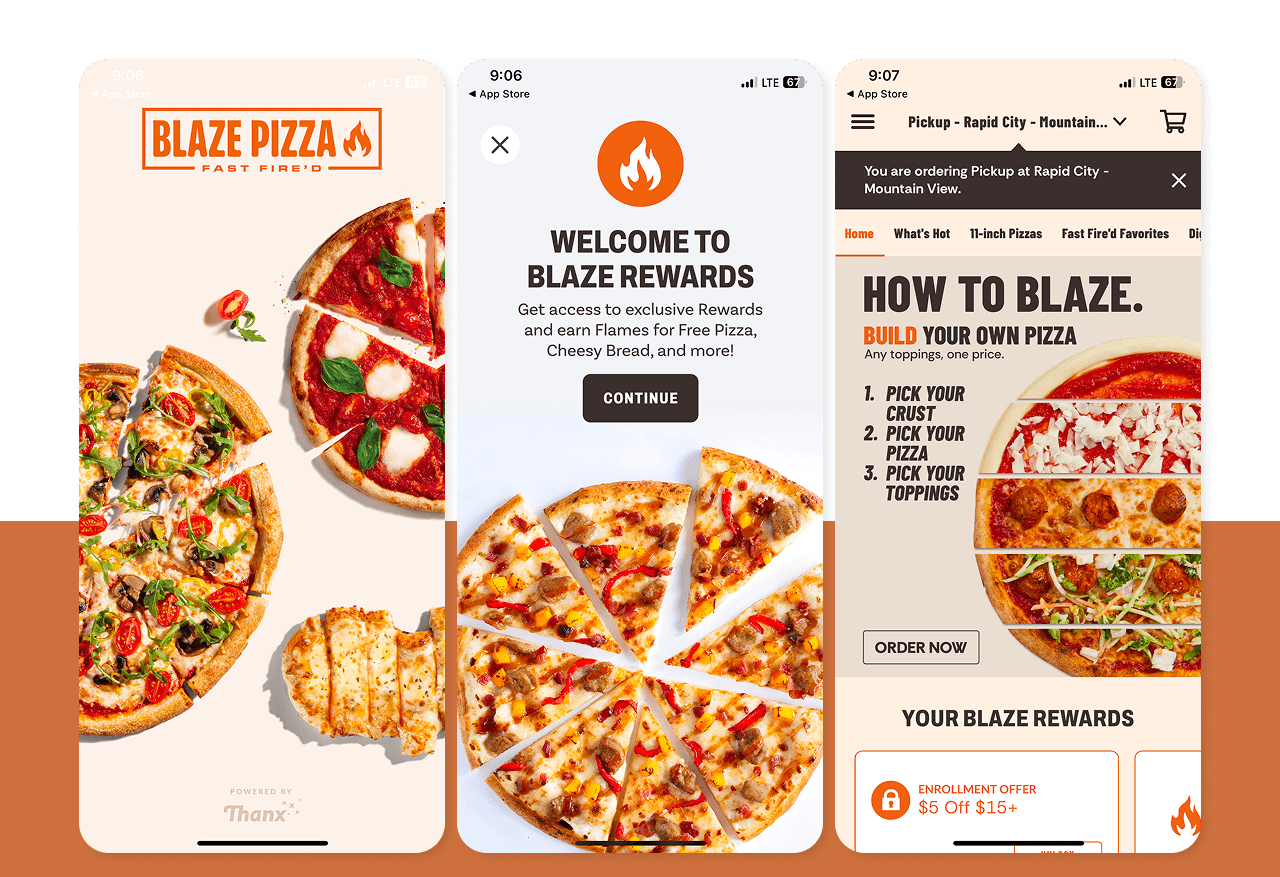
Thanx is built for restaurant operators who want to drive guest frequency more profitably, without the operational overhead that typically comes with legacy loyalty platforms. Brands like Nothing Bundt Cakes (~750 locations), Blaze Pizza (~300 locations, switched from Punchh), and Huddle House (~300 locations, switched from Paytronix) have moved to Thanx. Here's what brought them over:
- No change fees. Modify earn rules, loyalty tiers, or reward structures whenever you need to — no approval process, no incremental cost.
- 87-day average time to launch, with dedicated onboarding support from day one.
- App-less enrollment that reaches more guests. 263% more sign-ups than legacy platforms — no app download required.
- Built-in attribution with control groups. Know which campaigns drove incremental visits versus which ones rewarded guests who'd have returned anyway.
- AI-powered segmentation. SegmentAI builds precise audience segments from a plain-language description in seconds. No SQL. No IT ticket.
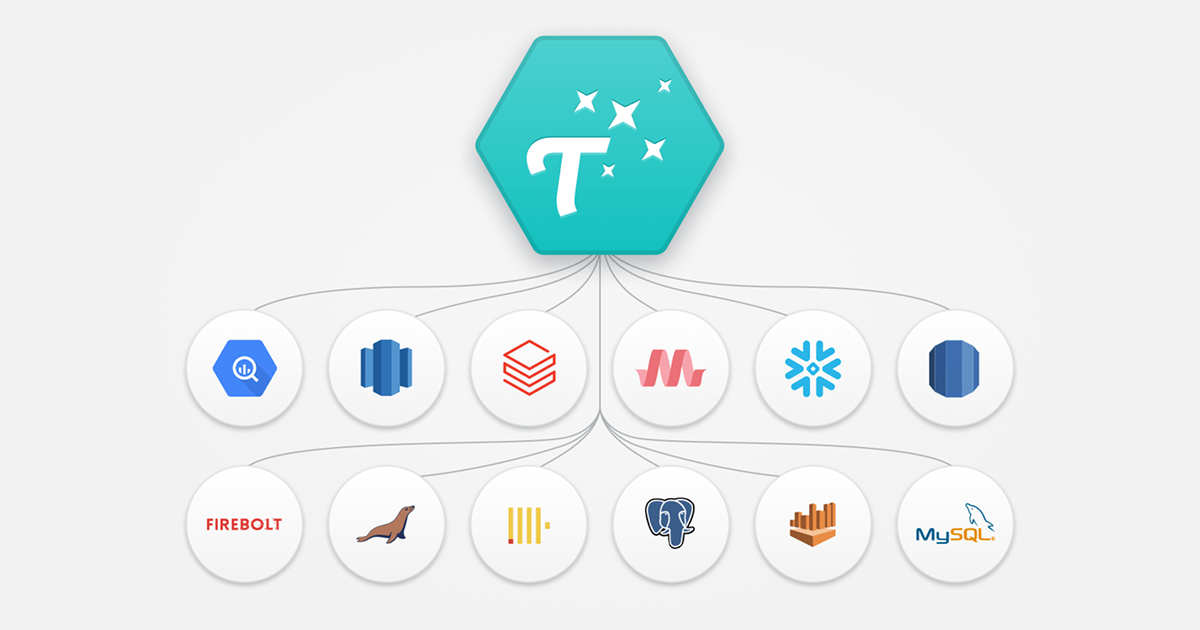
- 60+ integrations with major POS platforms including Toast, Olo, Aloha, Square, and Qu.
Thanx will also analyze your current program for free.
Book a demo to see how Thanx works for your brand.

.png)




.avif)
.avif)