

Campaign inspiration

QSR

Discover actionable ideas and campaign templates that will help you turn your loyalty data into powerful marketing.
EXAMPLES

QSR inspiration

A/B Tests
Abandoned Cart
Access Pass
App
App Exclusives
App Homepages
App Onboarding
App Takeovers
Automated Campaigns
Birthday
Bonus Points
Challenges
Customer Lifecycle
Early Access
Fast Casual
Gamification
Hidden Menu
LTO
Loyalty Transition/Promotion
Order Direct Promos
Points Multiplier
Program Benefit Promos
Quick Service
Reverse Points Multiplier
Reward LTOs
Reward Reminders/Promotions
Rewards Marketplace
Surprise and Delight
Table Service
Tiers
Upsell
Welcome
Winback / Lapsed
App
Email
Email & Push
Accelerate Loyalty Sign-Ups
Boost Repeat Orders
Elevate Average Check Size
Enhance App Engagement
Grow Customer Lifetime Value
Improve Visit Frequency
Increase App Downloads
Maximize Cart Conversions
Minimize Discount Dependency
Optimize Customer Activation
Personalize Experiences
Strengthen Retention Rates
Surprise And Delight Guests

Thank you! Your submission has been received!

Oops! Something went wrong while submitting the form.
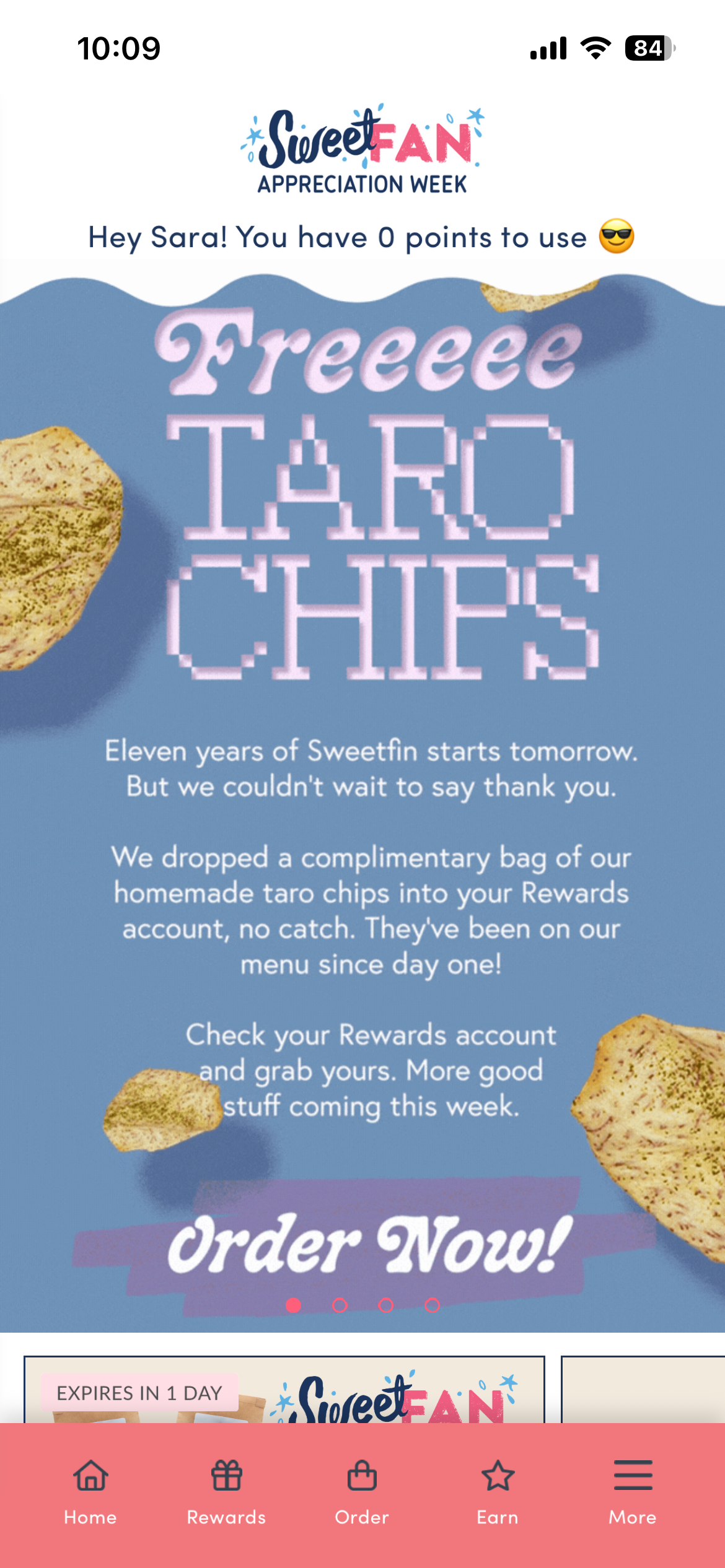
Sweetfin - Reward LTO
Reward LTOs
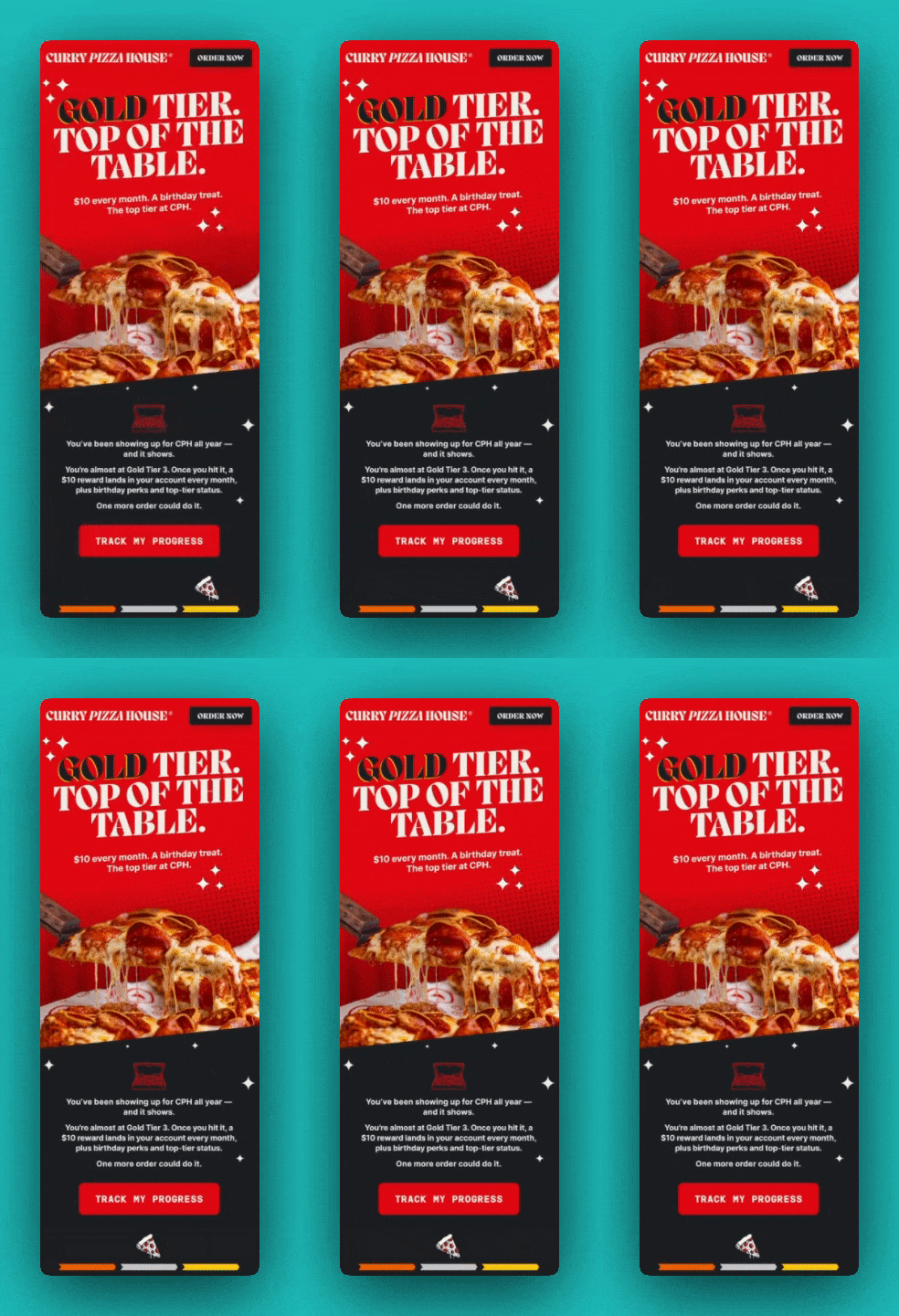
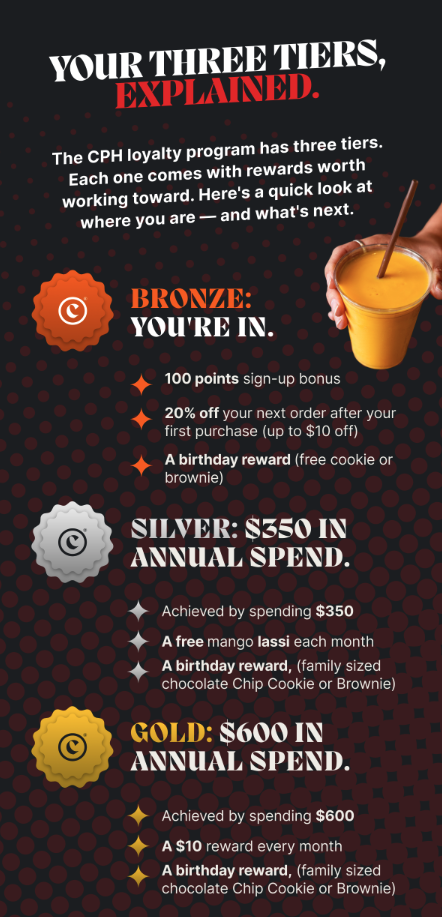
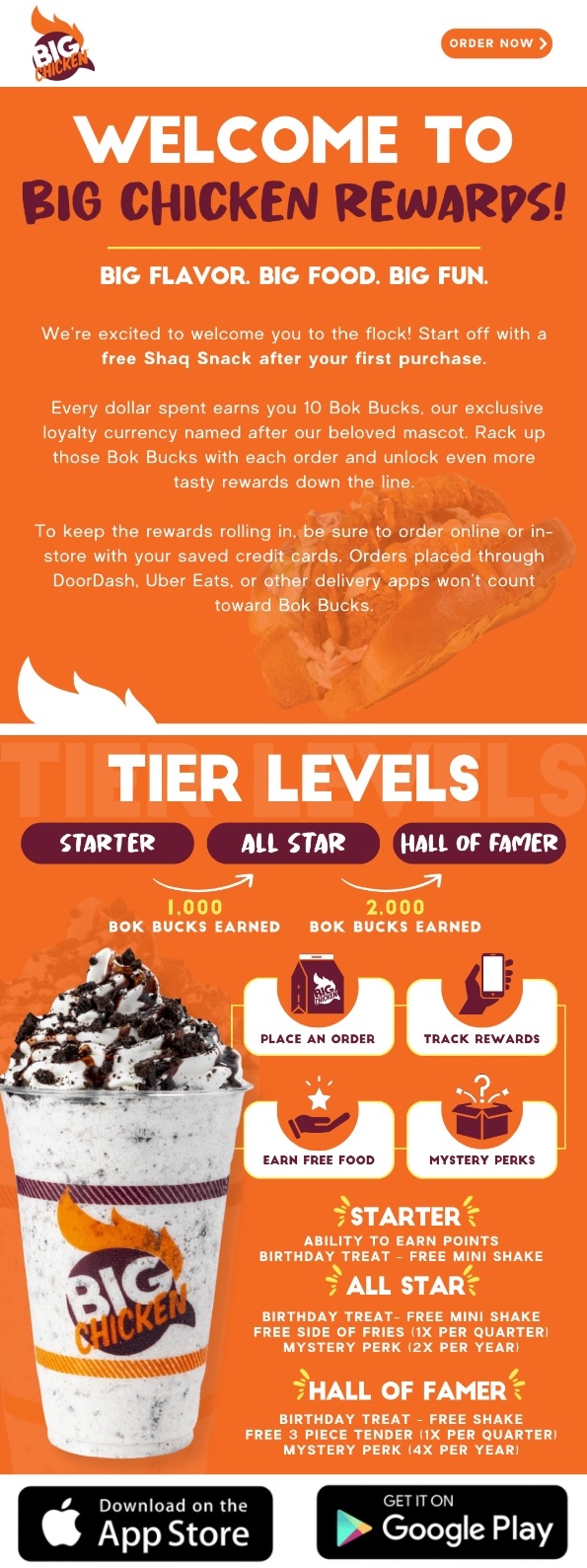
Big Chicken - Tiers
Tiers
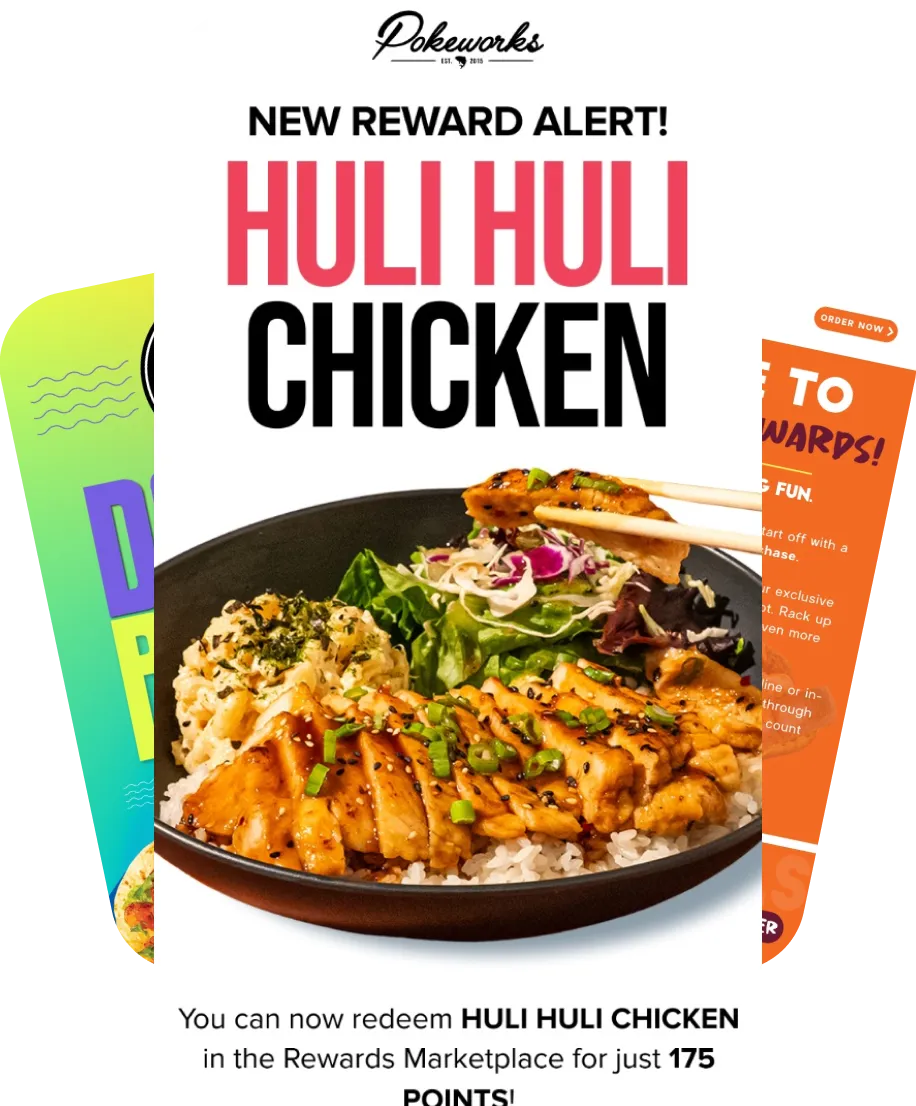
Pokeworks - Upsell
Upsell
Thai Chili 2Go - Welcome
Welcome
Chicken n Pickle - Welcome
Welcome
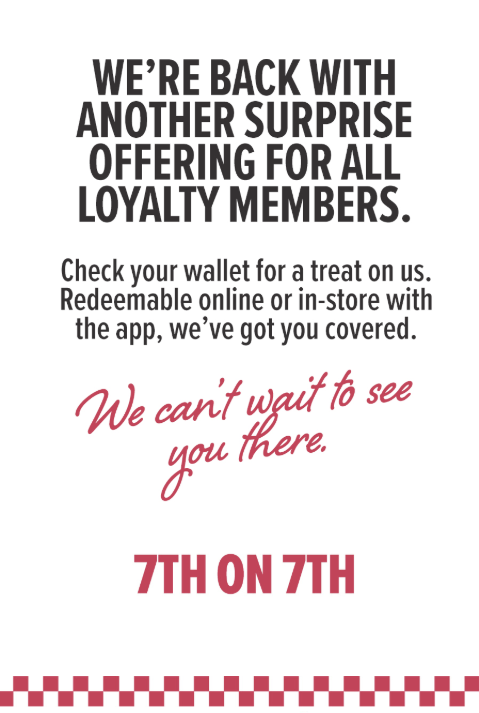
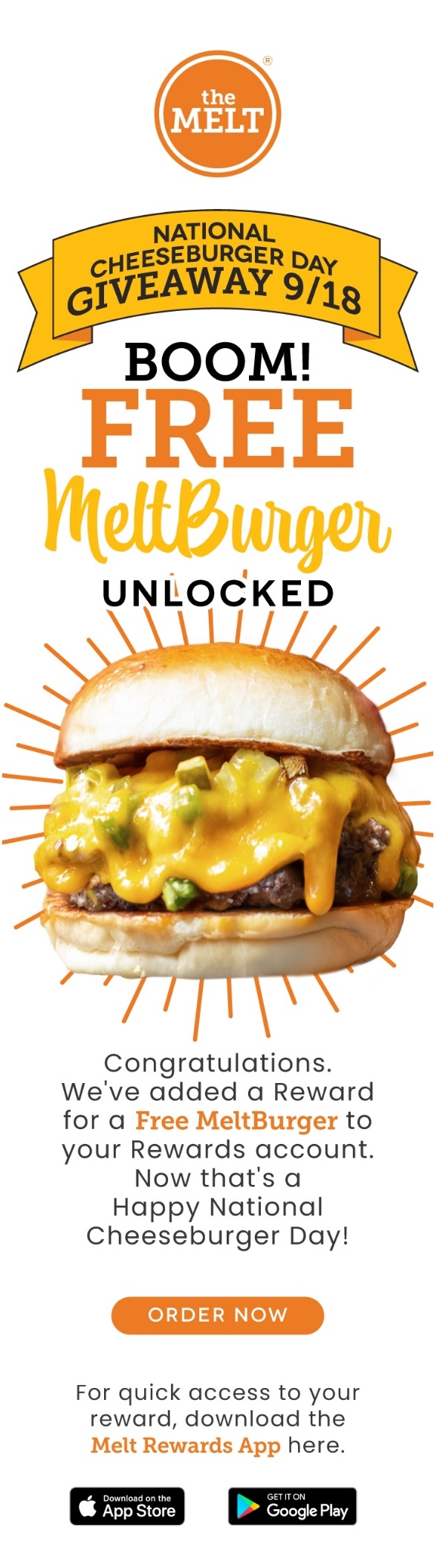
The Melt - Surprise and Delight
Surprise and Delight
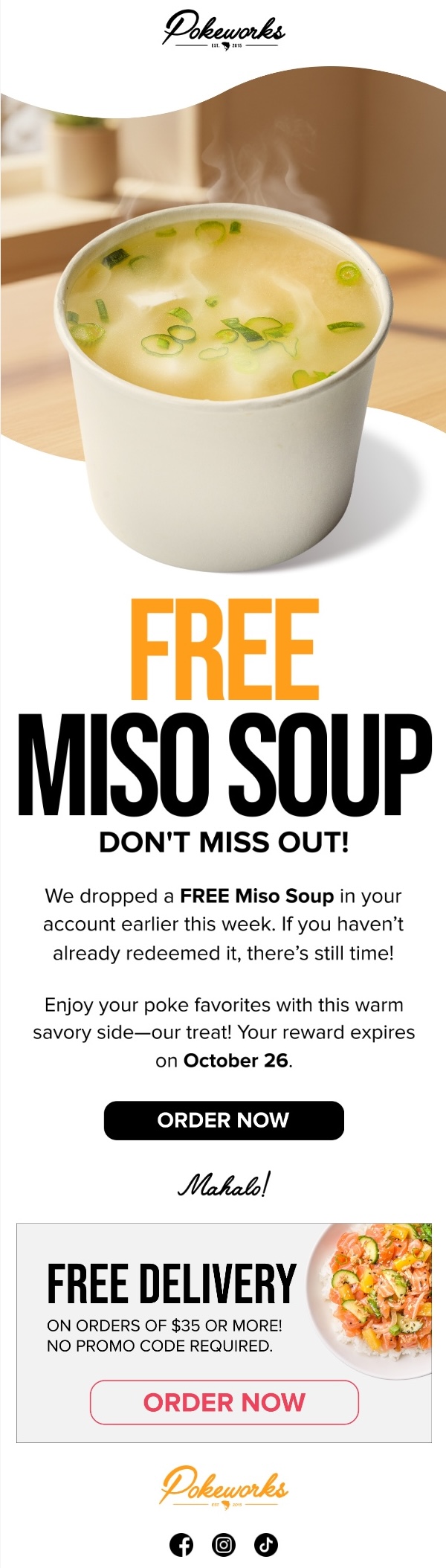
Pokeworks - Reward Reminder
Reward Reminders/Promotions
Bubbakoo's - Rewards Marketplace
Rewards Marketplace
Bubbakoo's - Points Multiplie
Points Multiplier
Pokeworks - Reverse Points Multiplie
Reverse Points Multiplier
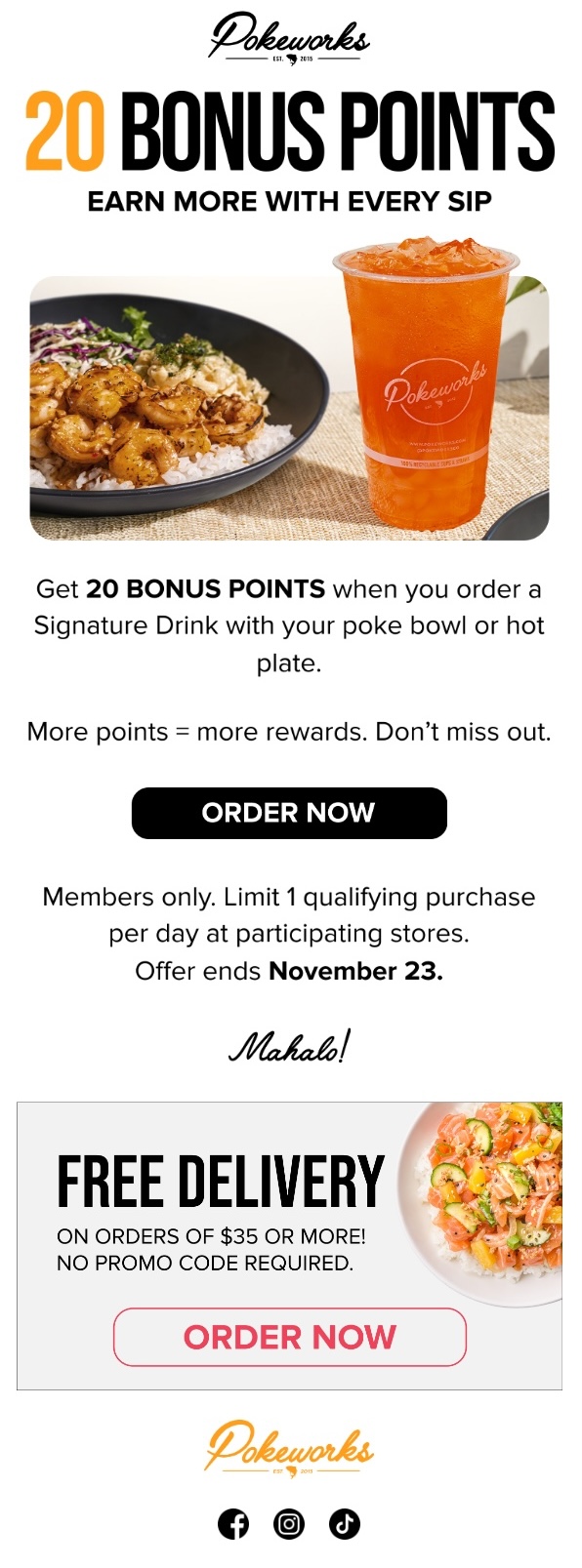
Pokeworks - Points Multiplie
Points Multiplier
Bubbakoos - LTO
LTO
Sweetfin - Gamification
Gamification
Cheba Hut - Loyalty Transition/Promotion
Loyalty Transition/Promotion
Thai Chili 2Go - Loyalty Transition/Promotion
Loyalty Transition/Promotion
Freebirds - Loyalty Transition/Promotion
Loyalty Transition/Promotion
LOYALTY + CRM

Loyalty is a business outcome, not a program.

Thanx delivers loyalty across the entire guest journey—from ordering convenience to relevant marketing to in-store recognition.

Steel dev this

View all
Quick Service
Quick Service
Quick Service
Quick Service
Quick Service

Frequently Asked Questions

From quick-service and fast-casual to casual dining and cafe, the Thanx platform adapts to your unique needs, helping you deliver loyalty as a business outcome across every restaurant type.
What are the primary drivers of ROI in a restaurant loyalty program?

Loyalty program ROI fundamentally comes down to changing customer behavior to drive sustainable frequency increases. The biggest drivers are frequency and spend lift from regulars, growth in the total number of new members who become active in the program, and first-party digital revenue that carries higher margins than third-party channels.


But that’s not all. ROI isn't just about what you gain—it's equally about what you save. The cost of discounts is the single largest expense, and it scales with how dependent your program is on blanket offers to drive visits. Programs that rely on broad-based promotions to generate activity often show engagement without profitability.

Beyond discount costs, consider savings from reduced third-party commissions (as you shift sales to owned channels), eliminating the need for a custom app and ongoing agency costs, and staff productivity from automating manual marketing work. A program that appears to drive visits while eroding 8-10 margin points through excessive discounts isn't driving ROI—it's subsidizing behavior you may have gotten anyway.

What are the biggest cost drivers when managing a loyalty program?

The largest cost is the discounts you offer to customers. This is determined by three factors: how many blanket offers you're distributing, how dependent you are on those offers to drive frequency (versus building genuine habits), and how precisely you're targeting rewards to your highest-value customers. A program that gives away 10% in discounts can easily offset the revenue benefits of increased frequency, especially if those discounts are going to customers who would have visited anyway.

The principle here is simple but often ignored: not all customers are created equal. Companies that offer average-value rewards to everyone waste resources over-satisfying less profitable customers while under-satisfying their most valuable guests. The most profitable programs share value with customers who create value—rewarding behavior that drives sustainable frequency, not just incentivizing one-time transactions.

Beyond discounts, the second-biggest cost is paying for a custom loyalty app and the ongoing agency fees to manage it. If your loyalty program requires custom app development, continuous maintenance from developers, or outsourcing campaign execution because the tools are too complex, those costs compound quickly. Other expenses—staff time on manual segmentation, training employees on clunky enrollment processes, platform fees, and high-volume communications—add up, but they pale in comparison to poorly managed discount rates.

How should I compare the cost of different restaurant loyalty solutions?

You can't evaluate loyalty platforms by subscription fees alone—that's a fraction of the true cost. The critical question is: what's the three-year total cost of ownership, including discount dependency, custom app and agency costs, and ongoing operational overhead?

Start with the economic fundamentals. A rewards program should not give something for nothing—the value created must exceed the cost of value delivered. That means understanding the links between what you give customers and what they get back in changed behavior. If a platform requires 8-10% in discounts to function, you need to ask whether those discounts are driving incremental frequency or just subsidizing visits you would have captured anyway. Compare that to platforms designed for precision targeting, where discount rates run closer to 2-4%.

Next, factor in the cost of building and maintaining a custom app, plus ongoing agency fees if you're outsourcing marketing execution. A "cheaper" platform that forces you to pay for custom development and agency support may cost more over three years than an all-in-one solution with a higher platform fee. Finally, consider the hidden cost of manual work—how many hours go into building segments, launching campaigns, and managing disconnected systems?

The lowest subscription fee often comes with the highest total cost. Evaluate platforms based on how they help you reward desirable behavior efficiently, target attractive customer segments, and create long-term value for your most valuable guests—not how cheaply they can enroll members.

How does Thanx pricing work for multi-location restaurant brands?

Thanx pricing is designed to scale with your business and deliver strong ROI from day one. Our enterprise solutions are built specifically for multi-location food service brands, with pricing based on factors like restaurant count, average unit volume, and the platform capabilities you need—from loyalty and CRM to digital ordering and marketing automation.

We focus on transparent, outcome-based pricing that aligns with your growth. Most Thanx customers see $200K+ in revenue opportunity per location annually (based on a $2M AUV restaurant), driven by engaged guests who spend 10x more than unengaged guests and a ~2% same-store sales lift. To discuss pricing tailored to your brand, schedule a demo with our team.

What kind of ROI should I expect from a restaurant loyalty program?

The best restaurant loyalty programs take a long-term perspective—the full potential of value sharing through rewards is realized only when customers change their habits to become sustainably loyal. That shift happens when you've built a program that clearly delivers ongoing benefits, not just transactional rewards.

With Thanx, restaurants typically see 5x growth in engaged users in year one, with engaged guests spending 10x more than unengaged guests. Digital sales grow for 90% of brands in the first year—50% see digital revenue increase by more than 50%. The Thanx average discount rate of 2.4% (versus ~10% for legacy platforms) means you're protecting 7.6 margin points on loyalty-attributed sales while still driving frequency. When you add savings from reduced third-party commissions and eliminating custom app and agency costs, the typical Thanx customer (based on a $2M AUV restaurant) sees $200K+ in revenue opportunity per location annually.

But ROI isn't just about the numbers—it's about building habits at scale without expanding your team. A well-designed program should reward desirable customer behavior, target your most valuable segments, and give you the tools to monitor economics and adjust as needed. If your current program requires constant manual work to build segments and launch campaigns, or if you don't know whether it's actually driving incremental frequency, you're missing the core promise of loyalty: sustainable, profitable growth driven by behavior change.